
14/04/2026

The Collaborative Pipeline of Audio Localization 

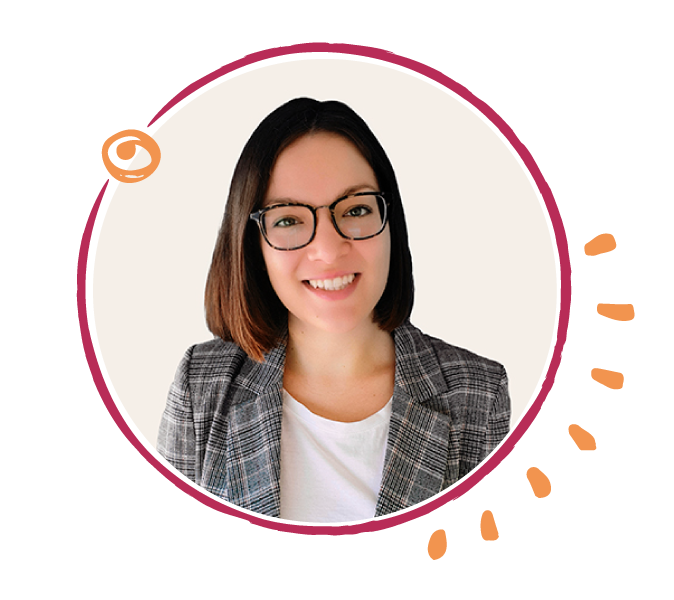
Image of Isabel Molina, Director of Audio Localization of Terra.

High-quality audio localization can rarely be attributed to a single person working in isolation. What audiences hear far more commonly is the product of a coordinated effort across language, creative, production, and project management teams that use the same systems to keep everything moving. That means that every spoken line, piece of narration, and announcement passes through multiple hands before it reaches its final form, which is exactly why the right team alignment matters as much as the right vocal talent.

Isabel Molina, Terra’s director of audio localization, often describes her role as both strategic and operational. The balance she strikes between those categories often reflects how audio work functions in real projects: she focuses on how each task in a project connects to the next, because an audio pipeline can only function properly when the handoffs are clear. As Isabel knows firsthand, when you trace the path of a single line of dialogue from the initial script to actual implementation, it becomes obvious that collaboration is key to shaping the final sound.

Audio Localization Direction as Orchestration 

In complex audio projects, the director’s role often resembles that of an orchestra conductor. The audio localization director coordinates global teams, defines workflows, and aligns quality standards with client expectations, while also keeping an eye on scheduling realities and production constraints. Since many decisions sit upstream of the booth, choices made early on in a project often influence approaches to casting, determining production timelines, and establishing how consistency will be maintained across languages.

The director’s work also involves anticipating challenges before they surface, which means using the lessons from previous projects to inform better prep and clearer reviews for what’s on the table now. Whether the project involves a game universe, healthcare information, employee training, or a public awareness campaign, the audio localization director keeps the moving parts connected so teams can respond to changes while maintaining cohesion.

Translation and Adaptation Teams 

Every audio project starts on the page, because translator and review teams begin the process by shaping the initial script that the entire effort is built on. Their work is hardly limited to punctuation and grammar checks because, above all else, scripts also need to be “speakable”: ready for performance once they reach the booth. That often means translators and reviewers will adapt phrasing to align with pacing and intent, and offer recommendations that reduce friction once recording begins.

Such guidance commonly includes pronunciation notes on names and lore terms, as well as context that clarifies who is speaking (and, if applicable, to whom), or what a line is meant to accomplish in a scene. Isabel often points to close alignment among translation teams as one of the most effective ways to prevent issues later in the pipeline, since language adapted with recording in mind gives directors and actors a cleaner starting point. When that foundation is solid, far less session time is spent on untangling meaning, and far more is spent on shaping delivery that matches the story. 

Directors, Actors, and Audio Specialists 

The most-visible team collaboration usually happens during recording, when creative groups bring the text to life. Directors guide performances so that characters, narrators, or institutional voices feel natural for the target audience, while actors interpret scripts through delivery choices that match local expectations. Since voice work carries personality and tone, decisions about energy, rhythm, and emphasis can shape how players perceive a character, even when the written line remains the same.

Alongside directors and voice actors, audio specialists capture and shape performances. Expert editing and mixing ensure a vocal performance sits comfortably within the intended soundscape, whether that means matching an existing production style or supporting a clear, neutral delivery. Isabel often notes how challenging it can be to coordinate artistic direction across multiple studios, especially when consistency is expected across languages and regions, which is why preparation and ongoing communication matter as much as creative skill.

Project Managers and Communication Chains 

Behind every smooth delivery is a strong project management structure that protects flow across the full production chain. Project managers keep every element and effort aligned, while also ensuring that any questions that arise are answered quickly enough to prevent otherwise-avoidable re-records or late-stage confusion. Since audio involves many stakeholders, the communication chain typically includes client teams, project managers, translators, audio production staff, actors, and QA teams, and the success of their contributions depends on timely updates and clear decision-making.

As Isabel says, “Traceability and disciplined follow-through prevent small issues from escalating into delays or quality risks. When communication stays consistent, teams can adapt to changes without losing momentum.” Communication breakdowns, on the other hand, tend to amplify even minor adjustments, so they become, in effect, larger disruptions.

Tools That Help Teams Stay in Sync 

Technology plays a supporting role in collaboration, especially when teams are widely distributed, and projects are run at scale. Collaborative platforms, cloud storage, version control systems, and secure file transfer tools help teams work with visibility and control while keeping assets organized and approvals traceable. These tools matter most when they reduce guesswork, since everyone can see what version is current, what has been approved, and what still needs reviewing.

Isabel describes technology as an enabler that strengthens human work. “When it’s used well,” she says, “it supports efficiency and transparency, which makes it easier for teams to stay aligned across regions and time zones. But ultimately, the value of these tools comes down to whether they help people collaborate with confidence. The idea is that everyone is operating with shared information and shared goals.”

Conclusion 

The quality of localized audio is shaped long before listeners press play. Clear communication, aligned processes, and mutual trust among teams matter just as much to the result as the studios, microphones, or software. This collaborative model applies across industries, from gaming and healthcare to training and public information.

As projects continue to scale and diversify, strong results will depend on how well teams work together. In the end, the goal remains the same across every project: turn many moving parts into one immersive, coherent experience for the audience.

07/04/2026

How Linguists Balance Accuracy and Consistency in Healthcare UI Translations

Healthcare software often needs to serve two functions at once: it must communicate medically accurate information and speak plainly to patients. Striking a balance between these functions is especially delicate in user interfaces (UI), where every word must be short and clear. So how do linguists ensure a translated UI is both technically correct and easy to understand?

Keeping It Clear Without Sacrificing Meaning

Image of Jorge Zeghen, Translator & Editor of Terra.

Patients use digital health tools in moments of stress, urgency, or vulnerability. That’s why many healthcare providers today prioritize plain language. For localization teams, this means translating complex medical terms into words that are familiar, easy to follow, and culturally appropriate, without oversimplifying or altering the intended meaning.

Linguists often imagine how the information might be received by someone with limited digital literacy or low health literacy. As Jorge Zeghen, an in-house linguist at Terra explains, “When I’m translating, I imagine how I’d like healthcare providers to explain things to my 10-year-old nephew or to my mother, who already finds navigating the internet difficult.”

A mindset like this helps ensure the software experience is welcoming, instead of intimidating. And the benefits of approachable software are clear: when a patient can’t successfully engage with their healthcare UI, there is a greater risk of problems like missed appointments, incorrect field entries, and delayed care.

Tone Adjustments Based on Content Type

Healthcare software involves more than just buttons and labels. It spans a wide range of content, from patient notifications and instructions to visit summaries and clinical data. Communicating with this range of information requires translators to pay constant and close attention to formality, detail, and tone.

For Jorge, linguistic flexibility is key. “We adjust the tone depending on the text type,” he explains. “For example, in modules where healthcare providers are entering patient data, it may call for more formal and technical language. On the other hand, for sections with patient instructions or general UI content, it may require a simpler and friendlier tone.”

It takes skilled linguists to make these tone adjustments while keeping the experience cohesive. That consistency helps patients build trust in the platform, even as the content shifts from one section to the next.

Style Guides and Tools That Support Simplicity

Behind every smooth translation process is a well-structured system. Experienced linguists complement their skills with tools like glossaries, translation memories (TMs), and detailed style guides to ensure that terminology stays consistent, and the tone fits the audience. This is especially important when projects are carried out in multiple languages or rolled out in continuous batches.

Jorge says he appreciates these resources because they allow linguists to focus on clarity and patient-friendliness. “The same style instructions apply across all types of content,” he says, “whether we’re translating user interface elements or more detailed features like in-app patient notifications. Having a clear guide allows us to adapt tone without losing the client’s voice.” With this foundation in place, translators can focus on delivering content that is both aligned and accurate across every format.

Conclusion 

In healthcare UI translation, the work of stylistic decision-making and maintaining consistency are an enormous responsibility. Translators like Jorge know that behind every “Submit” button or appointment alert is a patient or caregiver who needs to understand what action to take next, with clarity and confidence. When healthcare software speaks the user’s language, it becomes a tool for better care, trust, and access.

Innovation-with-Purpose-Three-Pillars-to-Guide-How-to-Innovate-Portada
11/03/2026

Innovation with Purpose: Three Pillars to Guide How to Innovate

Image of Belén Agulló García, Executive Consultant of Innovation of Terra.

Innovation is often accompanied by noise. New tools, new acronyms, and new, bold promises for efficiency appear almost daily, especially when it comes to AI and automation. For many teams, the challenge is not a lack of ideas; it’s the decision on where to focus without losing sight of people, quality, and long-term impact.

At Terra, innovation is approached through a simple framework inspired by executive consultant of innovation Belén Agulló García’s “Innovation with Purpose” vision. It rests on three pillars that allow us to turn curiosity into meaningful change, without chasing technology for its own sake. 

Pillar 1: Start with the “Why” Before Choosing Any Tool 

One of the most common traps in innovation is beginning with a solution instead of a problem. Teams hear about a platform, a model, or a workflow that worked elsewhere, and they rush to replicate it. Often, their haste results in scattered pilots, muddy outcomes, and human fatigue rather than progress.

A purpose-driven approach, on the other hand, begins with key questions including:

  • What issue are we trying to solve?
  • Who will benefit from this change?
  • How will it improve quality, access, or collaboration?

These questions apply across sectors: healthcare teams may aim to reduce turnaround time for patient-facing information; gaming companies might focus on improving the consistency of player support materials; and education initiatives often seek to make learning content easier to access across languages. When the purpose is clear, technology becomes a means, instead of the driver

Pillar 2: Put People at the Center of Every Innovation 

At Terra, we approach innovation for clients in a way that considers everyone involved in the process. Linguists, reviewers, project managers, engineers, and the communities who interact with the final content all shape what success looks like.

This perspective changes innovation decisions in subtle but important ways. A workflow that saves time but increases the cognitive load for linguists, for example, may not be an improvement. Similarly, a tool that looks powerful but in effect complicates collaboration for clients may slow projects down rather than speed them up.

As Belén often emphasizes, “Innovation should respect the work people already do well.” Building on that idea, linguists can be seen as guardians of language who bring expertise to the table that technology alone cannot replace. When innovation supports linguists’ work instead of sidelining it, quality and trust in the innovation process tend to follow. 

Pillar 3: Measure the Impact, Not Just the Effort 

Trying something new always involves effort, but effort alone is not a measure of success. Innovation with purpose requires defining what success means before a tool or workflow is rolled out.

Depending on the context, impact might be reflected in improved quality, fewer errors, faster turnaround times, better client satisfaction, stronger team well-being, or wider access to information. Without these indicators, it becomes hard to tell whether an initiative should be scaled, adjusted, or paused.

This pillar also helps teams resist adopting technology simply because it is fashionable. Clear metrics create space for learning, not just deployment, and allow innovation to evolve rather than accumulate.

How the Three Pillars Work Together in Practice 

In real projects, these pillars are closely connected. An initiative typically begins by clarifying the “why”. Teams then involve the right people to understand needs and constraints. Then, a solution is selected and piloted with intention, not urgency. Finally, results are reviewed against predefined indicators.

This approach works across industries, since the sequence remains the same whether the context is gaming, healthcare, education, or the public sector. Purpose guides decisions, people shape implementation, and impact determines what comes next.

Conclusion 

The three pillars to purposeful innovation are simple by design: start with why, put people at the center, and measure impact. Together, they offer a practical way to navigate innovation without losing focus on what matters. Whether evaluating AI, exploring new collaboration tools, or rethinking internal processes, this lens can help teams move forward into new territory with confidence.

Innovation-Consultancy-Turning-Ideas-into-Meaningful-Change-Portada
17/02/2026

Innovation Consultancy: Turning Ideas into Meaningful Change 

“Innovation” is often treated as a buzzword; one that’s associated with big ideas, fast growth, or disruptive technology. In practice, though, innovation is a quiet process that’s carried out with great deliberation. It lives in everyday decisions; in how teams solve problems; in how we test new approaches and adapt to constant change. And it’s in this quieter space of brainstorming and adaptation where innovation consultancy can support organizations in turning ideas into action.

Innovation consultancy helps teams question existing processes, explore alternatives, and design solutions that are both creative and practical. Rather than offering ready-made answers, innovation consultants work alongside teams to guide thinking, structure experimentation, and ensure that work is intentional, and progress is sustainable.

What Innovation Consultants Do, Day by Day 

Innovation consultants work at the intersection of strategy, creativity, and execution. Their role goes far beyond brainstorming sessions or future-facing concepts; in fact, much of their work is grounded in everyday operations, where incremental changes can have a lasting impact.

This often means they’re analyzing workflows, identifying friction points, and helping teams decide what is truly worth changing. Innovation consultancy also involves facilitating collaboration across departments, aligning technology with human needs, and creating space for experimentation without unnecessary risk. Rather than pushing ideas forward too quickly, consultants help teams test, refine, and learn from these efforts before making any broad-scale changes.

In fast-changing environments, innovation consultants act as steady reference points. They support teams by navigating uncertainty, managing competing priorities, and maintaining clarity when timelines or expectations tighten. By encouraging reflection and continuous learning, they help organizations build innovation into how work gets done, rather than treating it as a separate initiative. 

Terra’s Executive Consultant of Innovation: Belén Agulló García 

Image of Belén Agulló García, Executive Consultant of Innovation of Terra.

At Terra, innovation consultancy takes shape under the direction of Belén Agulló García, executive consultant of innovation. Her role requires expertise in several areas including strategy, language, and real operational practice as her teams turn ideas into concrete, workable initiatives that hold up in day-to-day contexts.

Belén brings a strong academic foundation to her work. She holds a degree in Translation and Interpreting, a master’s degree in Audiovisual Translation, and a PhD in Translation and Intercultural Studies. Her broad academic background informs her understanding of how language, technology, and culture intersect—and interact—particularly in complex, multilingual environments.

On her professional path, Belén has spent more than fifteen years in the video game localization industry in roles such as project manager, translation director, and quality and innovation lead. This hands-on experience allows her to approach innovation from within existing workflows, with a clear view of any constraints, risks, and opportunities for meaningful change that may be at play.

In practical terms, her work includes:

  • Assessing processes and workflows to identify where change can add real value
  • Supporting teams as they explore new approaches, tools, or ways of working
  • Helping align innovation initiatives with business goals and human needs
  • Facilitating collaboration across departments that do not always work closely together
  • Evaluating how to introduce emerging technologies responsibly and sustainably

Training is another key dimension of her profile. For several years, Belén has taught video game localization and subtitling technologies in advanced degree programs and professional workshops in Spain, the United Kingdom, and France. This close connection to education keeps her perspective grounded in current practice and emerging needs.

Belén’s role is rooted in listening, asking the right questions, and creating conditions for teams to shape solutions that fit their particular context and needs. By staying close to daily operations, she helps ensure innovation remains relevant, practical, and achievable.

Innovation with Purpose 

A key principle behind Terra’s approach to innovation is the idea of purpose. We don’t innovate simply to keep pace with trends or to adopt tools just because they’re new. Rather, we guide our innovative work with intention and an enormous sense of responsibility.

As Belén explains, “Every time we want to innovate or introduce new technology, I like to start by asking why. Because we don’t do things just for the sake of it, but to move forward in a more meaningful, effective way.”

Innovation with purpose means considering the impact of change on people, teams, and the broader ecosystem. It involves asking whether a new approach improves clarity, inclusivity, or long-term resilience. It also means recognizing that technology should support human expertise, not overshadow it.

This mindset shapes how Terra approaches experimentation and growth. We evaluate innovation not only through efficiency gains, but also through its ability to strengthen collaboration, trust, and meaningful outcomes. Belén’s work reflects this balance, keeping the human perspective at the center of every innovation effort.

Conclusion 

Innovation consultancy plays an essential role in helping organizations navigate complexity with clarity and intention. By combining strategic insight with practical, everyday support, innovation becomes a continuous, integrated practice, rather than a fractured, one-time effort.

Through her role as executive consultant of innovation, Belén helps Terra approach change thoughtfully, and she supports our teams and clients with equal care as they adapt, experiment, and grow. Ultimately, Terra’s approach reflects a simple truth that Belén sees in her work every day: meaningful innovation happens when ideas, people, and purpose move forward in the same direction.

How Localization Consultancy Elevates Game Development Across All Genres - Portada
22/01/2026

How Localization Consultancy Elevates Game Development

Every game, whether it’s a small mobile puzzle or a massive AAA release, faces the same demand: its players expect an entertainment experience that feels natural in their own language and culture. While the requirements to meet this challenge differ depending on a game’s scope, narrative depth, or mechanics, the need for expert guidance in this realm of development is constant.

Localization consultancy meets this need by helping studios navigate cultural nuances, technical complexities, and shifting player expectations. Rather than focusing on a single type of game, consultants provide strategies that are adaptive to any genre, thus ensuring that every title has what it takes to succeed with players on a global stage.

Key Challenges Consultants Address Across Genres 

Every gaming genre has its unique traits, but many of the localization challenges they present are universal. Consultants know these challenges well, and these are the areas where they bring clarity and expertise to the development process, regardless of the game type that’s being produced:

  • Adapting Narrative and Cultural Content: Storytelling is central to many games, but jokes, idioms, and cultural references rarely translate directly. Consultants advise on how to adapt this content without sacrificing a game’s intent by making sure that humor lands, metaphors resonate, and dialogue feels authentic across regions. 
  • Technical Adaptation: Every game relies on text, menus, and interfaces. Consultants help identify potential pitfalls in UI layouts, code integration, and in-game text management. Their technical perspective prevents errors such as text overflow, broken formatting, or untranslated strings slipping into the final build. 
  • Consistency Beyond Gameplay: The game itself is only part of the player experience. Marketing campaigns, tutorials, and instructional materials all need to align with the localized product. Consultants ensure consistency across these touchpoints, so players enjoy unified, professional encounters from the very first trailer to post-launch support. 

Consultancy Strategies for Broad Impact 

Strong consultancy includes adaptability. Consultants can tailor workflows to fit the scope of any game, from short development cycles to multi-year productions. While scaling these workflows, consultants are balancing efficiency with quality, integrating cultural insights at every stage, and aligning strategies with global trends in player behavior.

Another core element of consultancy work is risk mitigation. By reviewing content prior to launch, consultants help studios avoid cultural missteps that could harm player reception or trigger regulatory concerns. This foresight reduces the chance of costly backlash—in terms of both reputation and post-release corrections requiring time and expense—and safeguards the standing of the studio across international markets.

Perhaps most importantly, consultancy encourages teams to view localization as part of the creative process rather than a post-production step. With cultural and linguistic expertise embedded into their production workflow, games ultimately feel more inclusive to a global player base. And that player base is likelier to want a long-lasting relationship with these resonant gaming experiences.

Conclusion 

No matter a game’s genre, that act of incorporating localization consultancy into its production elevates its development by combining cultural awareness, technical preparation, and strategic insight. Localization ensures that every title, from indie experiments to blockbuster franchises, is ready to engage players across regions with authenticity and clarity.

For developers looking to reach global audiences, consultancy is not a genre-specific advantage, but a universal necessity for creating games that resonate everywhere.

How Written Translation Protects Bilingual Children in Healthcare Settings - Portada
06/01/2026

How Written Translation Protects Bilingual Children in Healthcare Settings

In clinics and hospitals across the United States, a quiet but harmful habit often plays out among family members whose language abilities differ. In particular, when parents don’t speak English fluently, the pressure to bridge the language gap in a medical setting frequently falls on the only bilingual person in the room: their child.

At first glance, the child’s language abilities might appear convenient. After all, who better to help in such a personal situation than a family member who understands both the language and the people involved? A bilingual child might even step in eagerly in these situations, as they may be accustomed to navigating the language barrier at home or in other routine contexts. But in a medical setting, using a skill that seems helpful in the moment can have long-lasting negative consequences for young people.

The Emotional Toll on Children 

Being fluent in two languages doesn’t mean a child is prepared to navigate high-stakes conversations, particularly where medical treatment is concerned. But in healthcare settings, many children are asked, implicitly or directly, to relay intimate, complex, and sometimes frightening information between doctors and their parents. This might include explaining a serious diagnosis, parsing detailed treatment options, or conveying medical jargon that the child has never heard before in either language, which can lead to communication inaccuracies.

The emotional burden of translation can therefore be heavy. Children may feel anxious about saying the wrong thing, suffer from guilt if they misunderstand something, or become overwhelmed by the responsibility placed on them. In some cases, they may have to witness their parents in distress, themselves, and feel powerless to help. To put these children’s feelings into greater context, consider that one study demonstrated that trained medical interpreters—that is to say, adults specifically prepared for the role—often experience emotional fatigue, stress, and ethical strain in clinical settings. Imagine, then, the impact on a child trying to perform these duties without professional training, the maturity that comes with age, or any form of external support.

How Providers Can Improve Language Access 

Because there is such risk involved in relying on children to convey critical medical information, it’s clear that providing families with information in their own language should be a priority. Medical communication should not be performed on the fly; it should be proactive, professional, and grounded in care for the patient.

Once hospitals have established and adopted clear language access policies, it becomes easier for staff to know which documents require translation, in what languages, and how to obtain them. Instead of scrambling on a case-by-case basis, teams are equipped from the start with a system that prioritizes access and equity.

Here’s how providers can move away from risky practices toward more inclusive, sustainable solutions:

  • Educate frontline staff
    It’s easy to assume that everyone understands the potential harms of depending on children to communicate medical information. Unfortunately, however, these risks aren’t always intuitive.. That’s why staff should receive training in the ethics involved with translation so they can understand exactly how to access professional translation support. When that process is simple and streamlined, patients are more likely to receive the right care, at the right time, in the right language.
  • Use pre-translated templates and integrate them into EHR systems
    Many healthcare interactions, like discharge instructions or consent forms, follow standard processes. These documents can be professionally translated in advance and stored as templates, so they’re ready to access when needed. When integrated into the electronic health record (EHR) system, these templates help ensure consistent, accessible communication across departments without delays.
  • Build trust with LEP families
    From the first point of contact, let families know that translated materials and language support are available to them. When they trust they’ll receive information in their own language, there’s no need for their child to step in. This not only protects the child from unnecessary emotional stress, but it also shows respect for the family, acknowledges the dignity of their primary language, and helps build a foundation of trust in their healthcare experience.

Prioritizing Access at Every Step 

To move forward in medical translation means making language access a built-in part of care, not an afterthought. When translated materials are ready, institutional policies are clear, and medical teams are trained to respond confidently, everyone benefits. By investing in professional translation, medical facilities can ensure families receive the clarity they need, and the system becomes more equitable, efficient, and compassionate for all.

Internationalization-i18n-The-Hidden-Framework-of-Game-Localization-Portada
22/12/2025

Internationalization (i18n): The Hidden Framework of Game Localization

Successful video game localization includes a critical developmental stage that lays the groundwork for everything that follows. While localization (l10n) does the work of adapting a game to specific languages and cultures, internationalization, often shortened to i18n, prepares the technical foundation that makes those adaptations possible. Internationalization is an invisible framework that ensures games can scale globally without constant rework or costly fixes. 

For studios aiming to release in multiple regions, strong i18n practices are not optional. They’re the key to making the difference between a game that expands seamlessly into new markets, and a game that stumbles over technical limitations once localization begins. 

Core Tasks of Internationalization 

Internationalization is a broad process, but its core tasks share a common purpose: making games flexible and adaptable for diverse players. These tasks include: 

  • UI/UX Adaptation ensures that interfaces are able to handle more than the original language. Text in one language can expand when it’s translated, and some languages, such as Arabic or Hebrew, require right-to-left support. A flexible UI takes these considerations into account, thus avoiding the need to redesign menus or dialogue boxes later. 
  • Text Separation from Code: Text that is hard-coded into a game’s code becomes a serious headache for developers looking to scale down the line. But separating content from code early on allows translators, now or in the future, to work directly on text without the risk of breaking functionality. It also speeds up localization workflows and reduces bugs. 
  • Unicode and Encoding Support: Games are played in every script, from Latin alphabets to Cyrillic to kanji. Unicode and robust encoding support, therefore, ensure that all characters display correctly, thus avoiding issues such as missing glyphs, corrupted text, or placeholder boxes. 
  • Date, Time, and Number Formatting: Regional differences in how dates, times, and numbers are written may seem like minor details, but they affect player immersion when they’re displayed in an unfamiliar way. Adapting these formats demonstrates a developer’s attention to detail and builds player trust, whether they’re gaming in Tokyo, Paris, or São Paulo. 

Impact of Proper i18n 

When performed correctly, internationalization pays off throughout the development process and beyond. i18n reduces the time and cost of localization by minimizing errors and preventing the need for rework. It also enhances a developer’s confidence that their game can expand into new regions with minimal disruption: that releases across cultures languages will feel seamless and consistent to their players. 

For players, the impact is equally important. Proper i18n creates smoother, more inclusive experiences that are free from distracting glitches and awkward formatting. By laying this groundwork, studios not only simplify the overall localization process but also strengthen their ability to deliver immersive, culturally relevant games on a global scale. 

Conclusion 

Internationalization may be carried out quietly in the background, but it is the backbone of global game readiness. By building flexibility into systems, interfaces, and content structures from the start, developers set themselves up for efficient localization and stronger connections with players worldwide. For studios that include global reach as part of their strategy, investing in i18n is the first step toward success. 

Clinical Trials & Translation Putting Patients First - Portada
23/09/2025

Clinical Trials & Translation: Putting Patients First

Imagine being invited to join a clinical trial that could improve your health. When you arrive for your first appointment, you receive several documents including consent forms, dosing instructions, and details about potential trial risks. 

Now imagine that those documents are written in a language you don’t fully understand. You’re expected to make informed decisions about your care, but the material you’ve been given feels confusing and possibly incomplete. Can you comfortably submit to treatment in such conditions? 

For many patients, this scenario is all too real. When trial materials aren’t translated clearly and thoughtfully, it becomes harder for people to make confident choices about their care. The result? Barriers to participation, increased safety risks, and breakdowns in trust. 

Clear Communication Is About More Than Compliance 

Translation in clinical trials is often seen as a bureaucratic regulatory requirement. But its value extends far beyond compliance. Clear, accurate translation helps protect patients from misinformation and supports ethical research. When done well, it ensures transparency: people truly understand what’s being asked of them in terms of care and consent, and that clarity promotes patient trust throughout the process. 

When translation falls short, the risks are significant and include: 

  • Patient harm due to unclear instructions. A 2023 study of polypharmacy patients revealed that more than 50% of them misunderstood at least one dosage instruction. Many were unsure how often to take their treatment, which put them at risk for dosing errors that could affect their recovery or safety.  
  • Discouraged participation due to lack of clarity. Many older adults choose not to participate in trials because they don’t fully understand what the process involves. Poor understanding can lead to lower enrollment rates and reduced access to potentially life-changing treatments. 
  • Incomplete understanding that undermines informed consent. Research shows that key concepts like placebo use or randomization are often misunderstood by patients, which makes it harder for participants to make informed decisions. 

For patients, clear communication can mean the difference between being safe or being at risk. In fact, poor communication has been linked to nearly one-third of all patient safety incidents in the healthcare worldwide, which reinforces the fact that thoughtful, accurate translation is fundamental to safe and respectful care. 

What Makes Clinical Translation So Complex 

Providing patient-friendly translation is no easy task. It requires a deep understanding of medical terminology, regulatory expectations, and the ability to adapt content for different cultures and literacy levels. Some of the most common challenges include: 

  • Medical Jargon. Technical terms must be translated clearly without sacrificing accuracy or confusing the reader. Informational precision must be balanced with a text that is easily understood, so that every patient can comprehend what they’re reading.  
  • Time Sensitivity. Clinical trials often operate on tight deadlines. Translation work, therefore, must be done quickly, but without cutting corners that could compromise patient safety or understanding. 

Translating with Care 

Clinical trials are built on relationships among patients, researchers, and care teams. When communication is clear, patients feel more confident, more informed, and in control of their own care. 

Therefore, an investment in high-quality, culturally sensitive translation does much more good than simply meeting compliance standards. It also demonstrates to patients that their voice matters, and that their comprehension of their own treatment is essential to the care they receive. 

When Bilingual Isn’t Enough: The Hidden Risks of Improvised Translation at Work
29/07/2025

The Hidden Risks of Improvised Translation at Work

In fast-paced work environments, language gaps are frequently bridged on the spot by a bilingual coworker or community member. These helpers act out of kindness and, more often than not, a sense of urgency. A colleague needs help understanding a form, an instruction, or a safety warning, and the message needs to be clarified—fast! 

Improvised translation in the workplace is a practical solution that many teams rely on, especially when time is tight and professional support isn’t immediately available. And in many cases, it’s an ad hoc fix that seems to work. But even the most fluent bilingual employee isn’t a substitute for a trained translator, and relying on them to fill that role, especially on a regular basis, can come with risks that aren’t always obvious at first. 

When Good Intentions Create Hidden Strain 

While bilingual employees can be incredibly valuable in bridging communication gaps, it is important to recognize that tasking them with translation duties may have unintended consequences. Consider, for example, that these team members have usually been hired to handle responsibilities other than translation. Asking them to step away from these responsibilities in order to provide language support can divert their focus from their primary role and ultimately disrupt their workflow. Over time, this additional pressure, especially if it goes unrecognized, can contribute to employee stress or even burnout. 

There are also important quality and compliance concerns to consider. Informal translation arrangements may raise confidentiality concerns or even result in compliance risks if information isn’t handled properly. Additionally, fluency doesn’t always equate to translation accuracy, particularly when it comes to technical or sensitive content. Without formal training, it’s easy even for native speakers to miss industry-specific terminology or subtle nuances, a gap that can lead to miscommunication over potentially high-stakes content.   

Impact Across Different Industries 

While the challenges of miscommunication can arise in any multilingual workplace, they’re especially serious in sectors where language diversity intersects with fast-paced or high-stakes operations. In construction and manufacturing, for instance, clear communication is critical to safety. When instructions, safety protocols, or training materials are translated informally or on-the-fly, even a small misstep in wording can lead to misinterpretation, workplace accidents, or costly delays. In healthcare, where consent forms and discharge instructions are sometimes translated by staff on the spot, misunderstandings can directly affect a patient’s ability to receive or follow proper care

In education, it’s not unusual for teachers or administrators to step in and help with communication needs, especially when working with parents or students who are still building English proficiency. But without the presence of consistent, accurate translation support, the risk is higher for information gaps and uneven experiences for families. The same goes for government and public services, where accuracy, clarity, and trust are key to relationship-building and general comprehension. Relying on internal staff to translate sensitive information, whether it’s a benefits application or a legal document, can jeopardize not only compliance, but the public’s confidence in the system. Consistent requests for improvised translation help is a sign of a deeper need for professional support that protects everyone involved. 

A Safer, More Sustainable Solution 

There’s no question that bilingual employees play a crucial role in today’s diverse workforce. Their ability to connect with colleagues and clients across languages can enhance collaboration and foster inclusivity. But when informal translation becomes a regular expectation of these employees, it can stress them personally and professionally, strain company resources, compromise content clarity, and put compliance at risk. 

Professional translation services offer a more reliable, long-term solution to bridging language gaps. It’s one that supports your team, protects critical information, and ensures that all content is handled with the accuracy, confidentiality, and cultural nuance it requires. 

How to Set the Right Strategy When Translating Safety Materials - Portada
03/06/2025

How to Set the Right Strategy When Translating Safety Materials

Safety materials are the backbone of a secure and compliant workplace. From emergency procedures to training manuals, these documents help minimize hazards, meet regulatory standards, and ultimately protect employees. However, if safety information is not properly translated, the result can be confusion, legal non-compliance, and preventable accidents. That’s why having a well-planned strategy before translating safety materials is crucial and a good investment. 

Here’s how to get it right. 

1. Know Your Audience 

The first step in translating safety materials is understanding who will be using them. Employees, contractors, and even local regulatory bodies may all need access to this information in their preferred language. 

1. KNOW YOUR AUDIENCE

Ask yourself: 

  • What languages are spoken at each site? 
  • Do employees have varying levels of literacy or technical understanding? 
  • Are there regional safety regulations that may influence terminology

Tailoring your translations based on audience needs ensures that critical safety messages are understood by everyone—regardless of language or literacy level. 

2. Identify Priority Documents 

Not all safety materials need translation—but some are essential and may even be required by law. Prioritize documents that directly impact day-to-day safety or are subject to regulatory review. 

Key materials to consider: 

  • Emergency procedures and evacuation plans 
  • Material Safety Data Sheets (MSDS) 
  • Equipment manuals and operating instructions 
  • Workplace safety guidelines (OSHA, ISO, or industry-specific) 
  • Training materials and incident reporting forms 

Pro tip: Focus on documents that are updated frequently or carry high risk if misunderstood. 

3. Find the Right Provider 

Translating safety documents requires accuracy, industry knowledge, and compliance. A generalist translator might miss technical details, so choose a partner with experience in safety and regulatory materials. 

Look for: 

  • Proven expertise in safety and technical translation 
  • Familiarity with regional and global safety standards 

Working with a trusted provider ensures your translations are clear, compliant, and consistent—helping to build a safer workplace for everyone. 

4. Plan for Continuous Updates 

Workplace safety isn’t static. Regulations evolve, equipment changes, and procedures are refined. Your translation strategy should reflect this. 

Best practices include: 

  • Scheduling periodic reviews of safety documents 
  • Offering translated materials in multiple formats (e.g., digital, print, video) 

Maintaining up-to-date and accessible content guarantees that safety information keeps pace with real-world conditions. 

Conclusion 

Translating safety materials is more than a checkbox for compliance—it’s a proactive step toward protecting people. By knowing your audience, selecting priority documents, partnering with specialized providers, and planning for updates, you can create a safer, more inclusive workplace. When done right, the decision to translate safety materials can save lives.