
The Teamwork Behind Healthcare UI Localization
Localizing healthcare user interfaces is a collaborative process that involves technical skills, structured workflows, and a clear understanding of how users interact with digital platforms.
Localizing healthcare user interfaces is a collaborative process that involves technical skills, structured workflows, and a clear understanding of how users interact with digital platforms.
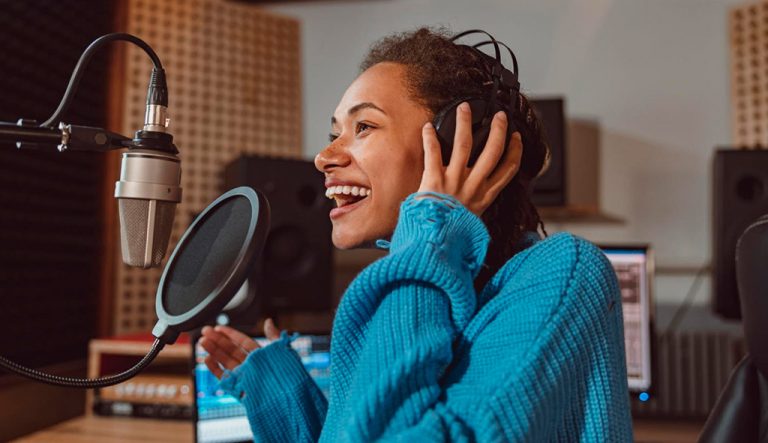
We all know recording often gets the spotlight in audio localization, since the booth is where voices come to life, and the final product begins to take shape. But a smooth session is the result of hard advance work that happens out of the spotlight.

Accurate and accessible translation of written healthcare materials empowers families with limited English proficiency by supporting better decision-making, reducing confusion, and affirming dignity in care.
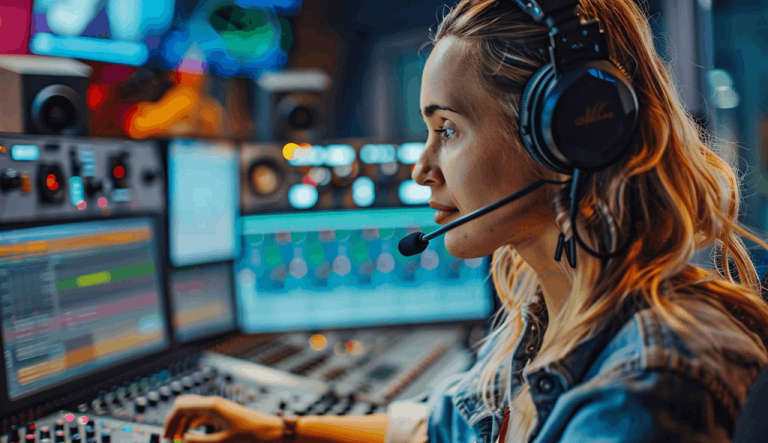
The quality of localized audio is shaped long before listeners press play. Clear communication, aligned processes, and mutual trust among teams matter just as much to the result as the studios, microphones, or software.

Modern localization QA is a collective effort shaped by people, processes, and technology. Reviewers, proofreaders, and QAMs contribute different layers of oversight, while automated tools support scale and consistency. Together, they form a quality assurance ecosystem that adapts to change while maintaining its direction.
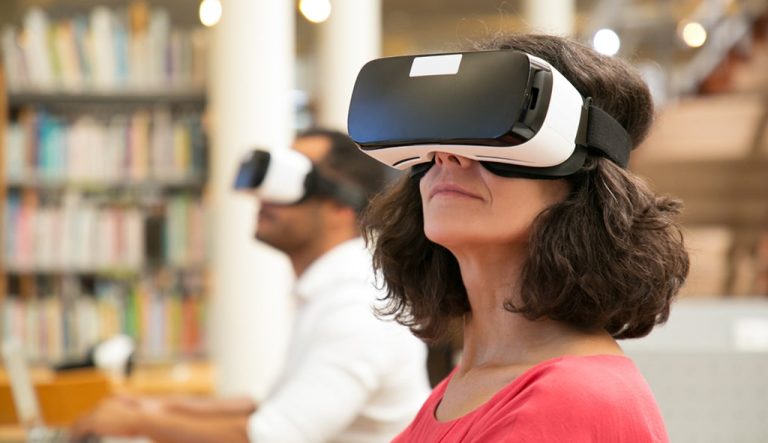
Edutainment thrives when it combines ever-advancing technology with cultural and linguistic adaptation. By investing in accessible design and global localization, creators can build tools that are not only engaging for all users, but also truly inclusive.

The introduction of a life-changing medication has the potential to benefit us all. But even after years of research and significant investment, a product launch can fall short, not because of faulty science, but because of a failed market entry. Many of these failures boil down to the fact that the entry hasn’t effectively built trust with its audience.
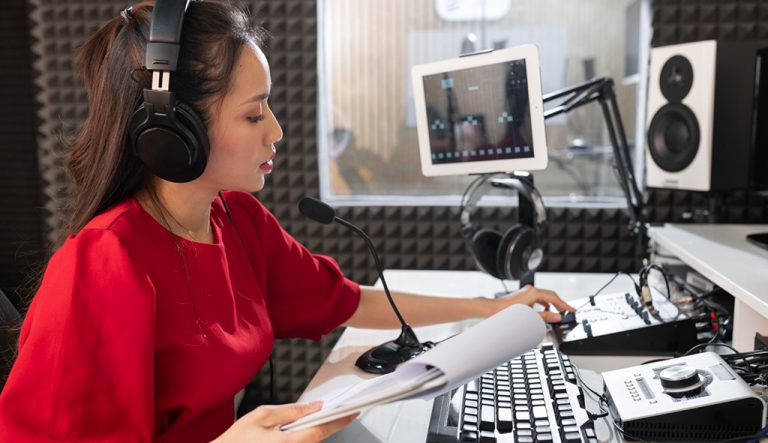
AI has found its voice—literally. In the world of media localization, AI-powered voiceover and dubbing tools are transforming the way that organizations create multilingual content. These technologies offer a faster, more scalable approach to audio localization, making voiceover capabilities accessible to a wider range of industries and budgets.
A lot of decision-making goes into the successful localization of audio content. Are you considering audio localization for your next project? Here are six important tips to keep in mind when you put in your request.

If an app developer wants to capture the attention of multiple markets (and they stand to gain a lot by doing so), then they need to prioritize localization. Here’s why.