
TERRA - Blog - AI Governance in Healthcare-Cover
16/09/2026

When AI Meets Healthcare Communication, Governance Comes First 

Artificial intelligence (AI) has been opening new doors in workflows across industries in the last few years, and healthcare is among the sectors exploring what areas AI can support. For organizations managing healthcare language access plans, that may include finding more efficient ways to handle growing volumes of multilingual content while still protecting the clarity and accuracy patients rely on. 

The potential benefits are significant, but healthcare content also presents considerations that make AI adoption particularly sensitive. Understanding those risks is an important first step in determining where AI belongs in a workflow and what safeguards need to surround its use. 

A Thoughtful Approach to Incorporating AI in Workflows 

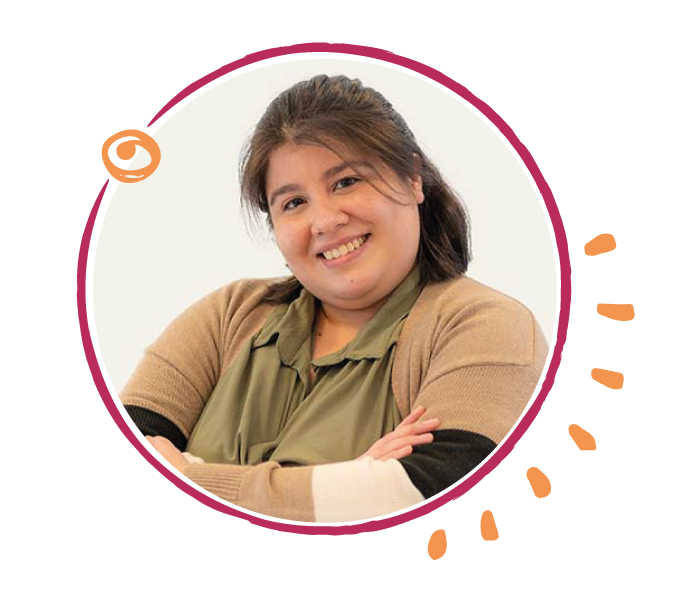
Colleen Beres - Crop Circular

Introducing AI to healthcare communication requires a thoughtful approach that looks beyond what technology can accelerate and considers where it may introduce new vulnerabilities. As Colleen Beres, chief revenue officer at Terra, puts it, “As AI adoption gains momentum, so does risk exposure.” Two particularly important areas to consider are: 

  • Protected health information (PHI): Sensitive patient information may enter the content workflow at different stages. If PHI is incorporated into an AI tool without appropriate controls, organizations may lose the ability to oversee how that information is handled or whether the system is appropriate for it. Missteps can create privacy and security concerns and affect patient trust. 

PHI and reliability risks do not rule out AI’s place in healthcare communication, but they do make clear why its use needs defined boundaries and safeguards from the start. 

Governance Makes AI Easier to Use Responsibly 

A safer approach to AI in healthcare communication begins by setting clear expectations about how AI tools can be used, and who is accountable for those decisions. As Colleen puts it, “You govern it and you get help.” For organizations managing a healthcare language access plan, that means identifying where PHI enters the content workflow and defining appropriate boundaries before AI becomes part of the process. 

In preparation for such a merger, teams should be able to answer a few practical workflow questions: 

  • Tool approval: Has this system been vetted for the type of content involved? 
  • Data control: What happens to the information once the tool receives it? 
  • User access: Who is allowed to use the tool for this workflow? 
  • Human review: When should qualified experts evaluate the output before content moves forward? 

Checks like these help prevent organizations from treating all AI tools as interchangeable. A system that is appropriate for general drafting, for example, may not be suitable for content involving PHI. 

Governance also makes it easier to determine when outside expertise is useful. A vetted language partner like Terra can help organizations assess how AI best fits within an existing content workflow while keeping linguistic requirements and information-handling practices in view. In this model, Terra’s role is not to introduce AI to every process, but to act as a strategic partner that helps make informed decisions about whether its use is appropriate, and if so, what safeguards should surround it. 

Conclusion 

The question about the relationship between AI and healthcare is not simply whether AI can support healthcare communication, but under what conditions it should be used. For organizations managing multilingual content, those conditions should be defined before sensitive information ever enters an AI-enabled workflow. 

When governance is built into the language access plan from a project’s beginning, AI can support communication without teams losing sight of the responsibility their organizations have to the patients who depend on it. 

Why Pediatric Translation Matters in Healthcare - Portada
04/08/2026

Why Pediatric Translation Matters in Healthcare

In pediatric healthcare, effective communication provides a bridge among medical professionals, young patients, and their families. When a child is treated, a physician’s ability to understand both the child and their caregivers can significantly affect the patient’s outcomes. By the same token, when medical information isn’t fully accessible and comprehensible to families due to language, literacy, or cultural barriers, that bridge is essentially broken. 

Today, children’s hospitals across the U.S. are investing in written translation services that prioritize clarity, cultural awareness, and empathy in their communication with patients. This shift is especially critical now, given that 6 in 10 second-generation immigrant children have at least one caregiver with Limited English Proficiency (LEP). In many cases, these children also grow up in households where English is not the dominant language, or it may not be spoken at all. Some of these households are made up of newly arrived immigrants, or international patients visiting for specialized treatment. 

Why Translating for Children Requires a Specialized Approach 

Children process information differently from adults, depending on their age and developmental stage. Pediatric translations, therefore, often aim for a 4th–6th grade reading level, which makes materials more universally digestible and less intimidating to ensure patient comprehension. While many translations are created for adult caregivers, especially in cases where patients are infants or toddlers, older children or adolescents may also need to understand what’s expected of them during treatment, such as cooperating during a medical scan or understanding post-surgery care instructions. 

In these situations, materials designed for kids might include simplified language, familiar vocabulary, or visual cues such as illustrations and diagrams. For example, a pamphlet might say “belly” instead of “abdomen,” or “tube to help you breathe” instead of “ventilator.” Adjustments like these can make a big difference in patient understanding, and go a long way to promote emotional comfort and cooperation. 

What Needs to Be Translated and in What Language 

The need for spot-on translation in pediatric care extends far beyond prescriptions. From the moment a family walks into a hospital to the time they’re discharged, a family will encounter dozens of critical touchpoints that may require translation, especially for LEP households. These include: 

  • Medication guides and dosage instructions 
  • Educational brochures for parents or children 
  • Post-procedure care instructions 
  • Consent forms and intake paperwork 
  • Hospital signage and department names 
  • Discharge instructions and follow-up plans 
     

Most translated documents are intended to support parents or guardians, especially those that explain medical procedures, and may also be adapted for children using age-appropriate language. For those caregivers, language access remains just as critical.  

Why Cultural Adaptation Matters in Pediatric Translation 

For families to truly understand and trust the information, translators must go a step beyond accurate translation and be sure they are also adapting tone, phrasing, and word choice to fit the family’s cultural context. 

Cultural beliefs about health and wellbeing, caregiving roles, and perceptions of illness can vary widely across communities. A good translator can spot where straight translations of words may unintentionally contradict traditional practices and cause feelings of confusion and alienation for an audience, and adjust accordingly. 

One study from the University of Michigan highlighted how literal translations can sometimes lead to unintended confusion. To use one example, the phrase “sleep pattern” could be translated in Spanish as patrón de sueño. And while it is a technically correct translation, Spanish-speaking families could interpret it as “dream patterns” rather than sleep routines. This mismatch in meaning underscores how important it is to adapt language with cultural context in mind. 
 
Tone is another key factor. Should instructions sound gentle and reassuring, or clear and firm? Should pronouns be gender-neutral to include diverse families? These decisions will shape the degree to which families feel supported, and help their medical team avoid alienating them when it matters most. 

The Real Impact on Families 

When pediatric materials are thoughtfully translated, the difference is tangible. Parents are more confident about giving medications and managing recovery at home. Children feel less afraid when they understand what’s happening. Missed appointments and ER visits become less common because instructions are easier to follow. Most importantly, families feel like valued participants in their child’s care, rather than outsiders. 
 
According to the American Academy of Pediatrics, families with limited English proficiency are more likely to face disparities, including lower satisfaction with care, less access to pain management, and exclusion from health research, than families who are fluent. Culturally aware translation is one way to close those gaps and create a healthcare experience that is safer, more inclusive, and more responsive to every family’s needs. 
 

Conclusion 

Language access—or clear communication—is a fundamental part of high-quality pediatric care. When written materials are accurate, culturally informed, and developmentally appropriate, healthcare becomes safer, more compassionate, more inclusive, and ultimately more effective. 

By meeting children and families where they are, linguistically and culturally, healthcare professionals strengthen bridges of communication and reduce disparities for their patients. When patients truly understand and participate in their own care, it’s far more likely that they’ll place a lasting trust in those who care for them.

Blog - The Heart Behind Healthcare Localization_Cover
04/08/2026

The Heart Behind Healthcare Localization

When people think about medicine and treatment, they often picture doctors, nurses, and clinical settings. There’s also a lot of information to process and comprehend. For patients and families with LEP (limited English proficiency), health-related content like this can present an additional layer of challenges if it’s not translated with the utmost care.

That is why, behind every successfully translated medical interface or document, there’s a team that’s been working quietly in the background to make health services and information more accessible. Linguists, editors, and project managers collaborate closely and diligently so that patients can engage with their care in the language they know best: their own.

For those working behind the scenes, whether it is managing a project or translating sensitive health information, each person plays a vital role in helping patients navigate their care with clarity and dignity.

Helping Families Access Care in Their Own Language

For many families, apps and digital platforms are the main way they access care, from scheduling appointments to checking lab results. But making sure these tools are available in a patient’s native language takes thoughtful coordination by localization experts who understand the stakes.

Photo of Ximena Trejo, a Project Manager at Terra.

Ximena Trejo, a project manager who has led multiple healthcare localization efforts, is energized by that understanding. “There’s nothing more comfortable than reading medical reports in your own language,” she says. “I believe patients have the right to clear and effective communication about their own healthcare, and that’s what drives me in my work to help families who don’t speak English to access medical platforms completely in their own language.”

Ximena and her team’s efforts help remove language barriers that can quietly stand between patients fully understanding their care. To every project, she brings sharp attention to detail and deep empathy as she ensures the translated content reaches people in a way that feels clear and trustworthy.

Finding Meaning in the Work

Crop Jorge

For our in-house linguist Jorge Zeghen, translation is meaningful work that resonates on a personal level. For him, working on medical content means having a direct role in improving how patients experience their care.

“It’s rewarding to know my work can make life easier for someone fighting illness or simply seeking to stay healthy,” he says. “We all have a role to play in reducing inequality. Personally, I’m grateful I can do that through my profession, which ultimately exists to fulfill one of humanity’s most essential needs: communication.”

That mindset shapes every word he delivers and serves as a daily reminder that translation not only supports care but is an essential part of it.

Collaboration Makes It Possible

Every piece of successfully translated content in a healthcare setting is the result of thoughtful collaboration. Translators, project managers, editors, and reviewers work together behind the scenes to ensure every message is clear, accurate, consistent, and patient-centered.

Their interactions may not be visible to most of us, but they make all the difference. When teams are aligned and believe in the impact of their work, the final result is content that feels thoughtful, human, and respectful. In other words, just exactly what every patient or caregiver deserves.

Conclusion

The people behind healthcare localization are not front-and-center, but their impact is felt deeply, every day. Their work helps remove barriers, build trust, and ensure that every message is clear for patients and them. When linguists, editors, and project managers bring empathy to their craft, they help create a more inclusive healthcare experience. Whether it’s a mother reading her child’s medical instructions, or an older adult checking test results, their ability to do so in their native language is hugely empowering.

Cover_Blog Why Healthcare Voice Content Needs a Secure Workflow
17/06/2026

Why Healthcare Voice Content Needs a Secure Workflow

Healthcare communication is becoming more digitized and more prevalent across the patient journey. Voice content now supports interaction beyond the consultation room, especially when patients and caregivers need guidance with digital tools and remote care resources. Voice assistance can also help healthcare workers access training content in a format that feels clear and easier to follow.

As voice-over becomes a greater part of the healthcare experience, organizations may need to treat its adoption as a strategic content decision rather than a simple request for audio in another language. That’s because such requests are now part of a larger communication push that can shape how patients understand, trust, and act on important information. Scripts, files, reviews, approvals, and production steps all affect how safely and reliably the message reaches the people who depend on it.

Working with the right audio partner helps bring structure and direction to that process, so that voice-over can support the patient’s experience from the start.

Sensitive Healthcare Voice Content Can Present Risk

Not every healthcare audio project contains patient data, but many involve information that requires sensitive handling nonetheless. A voice-over script may explain a particular treatment pathway, while a digital trial recording may guide participants through important steps for care at home. Even without personal information, the content may include medical terminology or internal instructions that require controlled access.

It is instances like these where secure voice workflows become an essential part of content governance. Scripts may need to move among different contributors before the final audio is delivered, which makes visibility essential. A secure process helps teams manage access and file exchange while also keeping approvals documented and the over project manageable.

Quality Issues Can Begin Before Recording

In healthcare audio, quality problems often crop before anyone even enters the studio. A script may still be under review that results in last-minute changes, while pronunciation guidance or terminology decisions may be unclear across teams, or never established at all. Once recording starts, communication gaps like these can become harder and costlier to correct.

A controlled workflow, on the other hand, helps teams confirm key decisions before production begins. Those decisions might include:

  • Approved source content: The script has been reviewed by the right stakeholders before recording starts.
  • Pronunciation guidance: Medical terms, product names, and proper nouns are noted clearly for the voice team.
  • Defined review roles: Reviewers understand when to give feedback and what type of feedback is needed.
  • Documented approvals: Final signoff is traceable, thus reducing confusion if updates are requested later.

These details matter because audio is harder to revise than written content. A small change post-recording can affect the piece’s overall timing and editing, especially when the update needs to appear consistently across every version that follows. For multilingual healthcare content, a structured approach helps protect the clinical message while supporting a smoother listening experience.

Scaling Voice Content Requires Governance

Digital health is expanding the places where wellness communication happens. Care guidance may now appear inside remote resources, while more and more training materials and public health content are given voice or multimedia support. As these materials expand in scope, healthcare organizations need a way to reach multilingual communities without losing control over the message.

That control becomes harder to maintain when projects depend on informal review habits or scattered communication. As the need to support diverse patient populations increases, review paths across languages grow more complex, and update cycles become harder to track. Without a shared structure, consistency can become fragile, especially when several teams are working on related content at the same time.

Content governance avoids that fate by giving healthcare teams a clearer way to manage voice assets throughout a project’s lifecycle. Instead of applying the same process to every project, teams can adjust the workflow according to the risk and purpose of the content. A short awareness message, for example, may follow a lighter review path than a clinical trial module, but both still need enough structure to protect accuracy while supporting the intended experience.

Conclusion

Healthcare voice content sits inside a broader communication system in which trust depends on how a message is prepared, and what people actually hear from it. A strong message can make digital health content clearer and more approachable, but the workflow behind it needs to protect the integrity of the information at every step.

As healthcare organizations create more multimedia content for patient education and professional training, secure voice workflows can reduce risk while supporting consistency across patient communities. A global content solutions partner can help keep voice projects on track and from day one, so that the final recorded content is of the highest quality for diverse patient communities.

THE TEAMWORK BEHIND HEALTHCARE UI LOCALIZATION Portada
03/06/2026

The Teamwork Behind Healthcare UI Localization

Localizing healthcare user interfaces is a collaborative process that involves technical skills, structured workflows, and a clear understanding of how users interact with digital platforms. Translators rarely work alone in this effort; behind the scenes, there are also project managers and technical teams supporting the process to ensure nothing disrupts the interface or the patient’s experience.

From preparing complex files to flagging pre-launch layout issues, each team member plays a key role. Here, we explore several key steps that translators and project managers take to ensure productive collaboration throughout the UI localization process.

Step 1: Preparing Files to Avoid Encoding Issues

Before translators even see a file, project managers and technical teams play a critical role in preparing it for smooth processing. In software localization, files like HTML, XML, or exported tables can contain encoding issues like broken tags, strange symbols, or hidden characters that will disrupt the translation process.

To avoid these roadblocks, PMs collaborate with technical specialists to convert and clean the files before assigning them. As Terra’s in-house translator Jorge Zeghen explains, this step makes a big difference. “Good file preparation means I don’t see lines of code or strange characters interfering with the content,” he says. “That allows me to focus entirely on the translation.”

By tackling file conversion and cleaning up front, the team ensures the right content appears inside the CAT tool. This proactive collaboration prevents errors and saves time, as it helps translators deliver accurate results without delays.

Step 2: Flagging Issues Before Translating UI

Given the complexity of the files being handled, minor formatting issues can have a significant impact on the localization process. Catching these problems early on, therefore, is essential, and it’s why translators often adopt a “look before they leap” approach to their work. Before translating a word, they’ll examine the content’s formatting. When something looks off, translators flag the issue for their project manager, who can then bring in the technical team to investigate and correct it.

For instance, if an Excel file is exported without proper line breaks, the content might appear crammed into a single paragraph once it’s imported into the CAT tool. Formatting like that, of course, is much harder to read, translate, and segment correctly. With the right technical support, however, issues like this can be quickly diagnosed and fixed to restore the structure and avoid layout difficulties down the line.

This kind of collaboration keeps the workflow smooth: translators spot issues; PMs coordinate with technical experts to handle the fix, and the content is handed back to the translators. Together, they ensure the content gets clean and stays clean for seamless integration with the CAT Tool.

Step 3: Translating UI Text with Limited Visual Context

Another common challenge in software localization is translating UI content without seeing how it will appear in the interface. Translators often work with strings only, meaning they won’t know the strings’ exact placement or design constraints.

This can be especially tricky with space-limited elements like buttons, where text expansion in other languages becomes a real issue. As Jorge notes, “Having early access to reference materials like screenshots and character limits is key,” and he offers a button translation as an example. “If I’m translating a button in English that says, ‘Access Your Test Results,’ to Spanish, the Spanish version could be ‘Acceda a sus resultados de exámenes’. But I have to make sure this translation will work within the length constraints so it doesn’t break the button’s layout. If it’s too long, I need to come up with a different solution. I might just go with ‘Resultados de exámenes,’ which means relying on the user to make a small leap in understanding that if they click the button, they’ll gain that access, even if I don’t state it explicitly. Knowing I need to pivot like that early on means I don’t have to correct a broken layout later, when time might be tight.”

When project managers proactively provide this kind of context, translators can make better decisions earlier, which helps avoid layout issues, revisions, and delays further in the process.

Step 4: Maintaining Consistency Across Screens

When localizing healthcare software, clarity depends on how consistently content is worded across the entire experience, from the app to the website. Users rely on familiar language to navigate confidently, and if the same action is phrased differently on each screen, it can lead to hesitation or confusion. “Titles, subtitles, and buttons have to appear with the same, equivalent access across pages and sections,” Jorge says. “That way, patients and caregivers always know where to go.”

A seamless navigation experience like this is the result of collaboration. Localization experts rely on translation memories and style guides to stay aligned across platforms, while project managers ensure those tools are up to date across all batches. “Consistency is the goal,” Jorge says, “because when wording is consistent, users feel more confident and are more likely to trust the platform.”

Conclusion

Successful UI localization in healthcare depends on close coordination among linguists, project managers, and technical teams. From file preparation to cross-team communication, every step contributes to building software that is both user-friendly and consistent. When localization teams work in sync, they help deliver reliable experiences that patients and providers can trust, no matter the language or platform.

Best Practices for Translating Healthcare Materials for LEP Families - Portada
29/04/2026

Best Practices for Translating Healthcare Materials for LEP Families

Families with limited English proficiency (LEP) often face persistent challenges in understanding and accessing healthcare. While live interpretation services are important, properly translated written materials also offer unique benefits: they are a resource that families can read at their own pace, revisit at any time, share with others, and use to feel confident about following the right care instruction steps at home.

When these documents are clear, culturally respectful, linguistically accurate, and tailored to the reader’s context, they become an extension of patient-centered care. In this article, we’ll share practical advice when translating materials to meet the needs of LEP families.

1. Adapt Tone and Reading Level to Fit the Family’s Needs 

Just because a document is translated into a target language doesn’t mean it’s fully understandable or appropriate for every audience. The translation process requires a careful balance of tone, cultural sensitivity, and a sense of formality. When translating into Spanish, for instance, materials addressed to adult caregivers should have a formal tone (usted) to convey respect. If the content clearly aims at youngsters, on the other hand, a more informal tone (tú) might feel more natural to those readers depending on their cultural background. These choices should never be made at random but should be informed by the norms and expectations of the intended reader.

Another key consideration is readability. Translating at a 4th–6th grade reading level ensures that both caregivers and, when appropriate, children can understand the material. This doesn’t mean simplifying content to the point of sacrificing meaning or essential information, but rather, it helps ensure that vital instructions are made clear, especially in stressful or unfamiliar situations. When families feel that healthcare materials are speaking directly and respectfully to them, comprehension increases, and so does trust.

2. Make the Content Visually Clear and Easy to Follow 

Effective healthcare translation considers how information is presented. Families that are under stress or unfamiliar with medical terms tend to benefit from visual clarity and thoughtful design that reinforces meaning.

Visual aids such as icons, diagrams, and illustrations can be extremely helpful in supporting key instructions. For instance, a simple chart or carefully translated image can help explain how to take a medication or prepare for a test. Color-coded sections can signal timing, dosage, or urgency more clearly.

For materials intended for bilingual households or children, offering side-by-side translations (e.g., English and Spanish) allows caregivers to cross-reference and feel more confident in their understanding. 

3. Respect Formatting, Identity, and Cultural Preferences 

Thoughtful formatting and small linguistic details can make a big difference. These choices not only improve clarity but also show respect for the reader’s identity and cultural context. The following practices help ensure translated materials are accurate, inclusive, and easy to follow:

  • Names: Always preserve accents and other diacritical marks in proper names. This demonstrates respect for identity and attention to detail. For example, a German name like Jürgen Müller should never be simplified to Jurgen Muller. 
  • Gender Sensitivity: When gender is unknown, it’s best to use inclusive phrasing that avoids binary forms. For example, in Spanish, instead of using enfermero(a) (“nurse”) to include all genders, a more neutral and inclusive option would be personal de enfermería (“nursing staff”). Many languages offer similar solutions, such as using plural or collective nouns to create welcoming, gender-neutral language for all families. 
  • Dates: Date formats vary widely. In the U.S., the standard is month/day/year, while most other countries use day/month/year. To avoid confusion and when space allows, it’s best to spell out the full date in the target language of the translation. For example, in Italian: 8 luglio 2025. 
  • Numbers: Decimal separators also differ across languages and regions. While some countries prefer commas (e.g., 2,5), others use periods (e.g., 2.5). Always adapt to the conventions of the target audience to avoid misinterpretation, especially in dosage instructions, lab results, or time-sensitive data.
  • Time References: When times are written in the 12-hour format, it’s easy to understand when the abbreviations “a. m.” and “p. m.” are added. In some cases, it can help to reinforce meaning by adding explanatory language, such as “9:00 in the morning” or “9:00 at night”.
  • Department & Division Names: Department names or their abbreviations must be translated on first mention, with the English in parentheses. For example, in a French translation: Département de pédiatrie (Department of Pediatrics).
  • Medication Names: On first mention of a medication, names should be translated and then followed by the English name in parentheses. For example, in a German translation: Hydrocortison (hydrocortisone). This practice makes it easier to remember the medication name, especially when buying it.
  • Resources: When additional resource content is included in the format of QR codes, links, or URLs, it’s useful, whenever possible, to add the officially translated version into the target language. Otherwise, provide the English link with a translated label in parentheses.

Conclusion

Accurate and accessible translation of written healthcare materials empowers families with limited English proficiency by supporting better decision-making, reducing confusion, and affirming dignity in care.

When hospitals and healthcare organizations work with language partners to prioritize tone, reading level, formatting, and cultural accuracy in their written content, they’re not only meeting compliance, but also meeting their patient families where they are. In so doing, providers build lasting trust and truly inclusive care environments.

07/04/2026

How Linguists Balance Accuracy and Consistency in Healthcare UI Translations

Healthcare software often needs to serve two functions at once: it must communicate medically accurate information and speak plainly to patients. Striking a balance between these functions is especially delicate in user interfaces (UI), where every word must be short and clear. So how do linguists ensure a translated UI is both technically correct and easy to understand?

Keeping It Clear Without Sacrificing Meaning

Image of Jorge Zeghen, Translator & Editor of Terra.

Patients use digital health tools in moments of stress, urgency, or vulnerability. That’s why many healthcare providers today prioritize plain language. For localization teams, this means translating complex medical terms into words that are familiar, easy to follow, and culturally appropriate, without oversimplifying or altering the intended meaning.

Linguists often imagine how the information might be received by someone with limited digital literacy or low health literacy. As Jorge Zeghen, an in-house linguist at Terra explains, “When I’m translating, I imagine how I’d like healthcare providers to explain things to my 10-year-old nephew or to my mother, who already finds navigating the internet difficult.”

A mindset like this helps ensure the software experience is welcoming, instead of intimidating. And the benefits of approachable software are clear: when a patient can’t successfully engage with their healthcare UI, there is a greater risk of problems like missed appointments, incorrect field entries, and delayed care.

Tone Adjustments Based on Content Type

Healthcare software involves more than just buttons and labels. It spans a wide range of content, from patient notifications and instructions to visit summaries and clinical data. Communicating with this range of information requires translators to pay constant and close attention to formality, detail, and tone.

For Jorge, linguistic flexibility is key. “We adjust the tone depending on the text type,” he explains. “For example, in modules where healthcare providers are entering patient data, it may call for more formal and technical language. On the other hand, for sections with patient instructions or general UI content, it may require a simpler and friendlier tone.”

It takes skilled linguists to make these tone adjustments while keeping the experience cohesive. That consistency helps patients build trust in the platform, even as the content shifts from one section to the next.

Style Guides and Tools That Support Simplicity

Behind every smooth translation process is a well-structured system. Experienced linguists complement their skills with tools like glossaries, translation memories (TMs), and detailed style guides to ensure that terminology stays consistent, and the tone fits the audience. This is especially important when projects are carried out in multiple languages or rolled out in continuous batches.

Jorge says he appreciates these resources because they allow linguists to focus on clarity and patient-friendliness. “The same style instructions apply across all types of content,” he says, “whether we’re translating user interface elements or more detailed features like in-app patient notifications. Having a clear guide allows us to adapt tone without losing the client’s voice.” With this foundation in place, translators can focus on delivering content that is both aligned and accurate across every format.

Conclusion 

In healthcare UI translation, the work of stylistic decision-making and maintaining consistency are an enormous responsibility. Translators like Jorge know that behind every “Submit” button or appointment alert is a patient or caregiver who needs to understand what action to take next, with clarity and confidence. When healthcare software speaks the user’s language, it becomes a tool for better care, trust, and access.

How-to-Choose-the-Right-Localization-Partner-for-Healthcare-Software-Portada
03/03/2026

Choosing the Right Localization Partner for Healthcare Software

Localizing healthcare software requires a thoughtful approach that balances linguistic precision with technical expertise. From clinical platforms to patient-facing apps, your localization provider plays a critical role in ensuring that every translation is accurate, secure, and aligned with your product. 

The right partner should offer proven industry experience, robust compliance practices, ISO certifications, and a communication style that fits your team. If you’re planning a localization project, here are six essential considerations for choosing a provider equipped to support your software at every stage. 

1. Proven Experience in Healthcare Localization 

Healthcare localization requires a deep understanding of medical language and the sensitivity to effectively adapt patient-facing content clearly and accurately. Choose a provider with solid experience in healthcare translations. A partner familiar with medical terminology, regulatory standards, and audience-appropriate tone will be better equipped to support patients, clinicians, and care teams across platforms. 

2. ISO Certifications That Reflect Quality and Security 

Industry standards are a strong indicator of a provider’s commitment to quality, security, and consistency. When evaluating a language service provider, look for certifications such as ISO 9001 for quality management, ISO 17100 for translation standards, ISO 27001 for information security, and ISO 18587 for post-editing of machine translation. It’s good practice to ask which certifications a vendor holds, as these reflect a proactive approach to reducing risk and maintaining high-quality results across all projects. 

3. HIPAA Compliance and Secure Data Practices 

Your localization partner will likely handle files containing ePHI (electronic protected health information). That’s why it’s essential for them to follow HIPAA-compliant workflows and be able to demonstrate a clear understanding of the security and privacy measures required in healthcare. Ask whether their teams undergo HIPAA training and how they handle access control, secure file sharing, and patient data protection. The right partner will have clear policies in place to reduce the risk of breaches and keep your data safe. 

4. Technical Expertise in Software Localization 

Healthcare software localization requires navigating complex file types like HTML, JSON, and XML, and adapting them without breaking functionality. A skilled localization provider will have the technical know-how to work with these formats and use the right tools to ensure clean integration. They should also be able to recommend translation tools that fit your workflow and technical needs. Look for a team that stays current with evolving technologies and can adapt quickly when systems or content change.  

5. Communication That Matches Your Culture 

Localization projects bring together multiple specialists across different phases, including translators, project managers, developers, and reviewers. That’s why it’s essential to work with a partner who not only manages these workflows but also communicates in a way that aligns with your internal culture and values. Ask how they handle feedback loops and what communication channels they use. A partner whose communication style aligns with yours will be easier to collaborate with. When they also share your expectations for responsiveness and adaptability, it becomes much easier to avoid delays, resolve issues efficiently, and maintain quality across every stage of the process.  

6. Ongoing Support and Scalability 

Localization is rarely a one-time project. Software platforms evolve continuously with updates, new features, and regulatory changes. Your provider should be equipped to support long-term localization needs. Ask whether they have experience managing extended or continuous projects, and how they streamline future workflows. A partner who understands your product structure and terminology from the start can help ensure consistency, reduce rework, and scale your localization efforts efficiently over time. 

Conclusion 

Whether you’re localizing a patient portal or expanding into new markets, the right localization partner will make the process smoother, safer, and more effective. By choosing a provider with proven healthcare experience, strong communication practices, and long-term support, you’ll be better equipped to deliver software that’s trusted by patients, care teams, and healthcare providers alike. 

Protecting-ePHI-in-Healthcare-The-Role-of-a-HIPAA-Security-Officer-portada
03/02/2026

Protecting ePHI in Healthcare: The Role of a HIPAA Security Officer

In the healthcare industry, safeguarding electronic protected health information (ePHI) requires organizations to be on top of security protocols and continuous risk assessments. As cloud-based workflows become standard, medical entities and their language partners must ensure that sensitive patient data remains secure at every touchpoint.   

What a HIPAA Security Officer Does 

Claudio Oulego works as a HIPAA security officer at Terra to oversee the security framework that protects every piece of electronic protected health information handled by the organization. 

As he explains, this requires a combination of technical expertise, regulatory awareness, and ongoing risk evaluation to keep sensitive data safe while supporting daily operations. 

Image of Claudio Oulego, HIPAA Security Officer at Terra.

Key Responsibilities of a HIPAA Security Officer 

Establishing, managing, and enforcing security protocols that safeguard information security systems involves: 

  • Maintaining HIPAA compliance mechanisms to ensure the integrity of healthcare information, including documentation and audits. 
  • Defining and implementing technical and administrative controls, such as access management, encryption, and secure configurations. 
  • Conducting continuous risk assessments that could affect the security of health information. 
  • Identifying possible security incidents and implementing measures to prevent those events. 

Staying Current in the Security Landscape 

Claudio works with compliance management platforms that help monitor controls, document policies, and support audit readiness. These tools complement his technical background by providing structured oversight, allowing him to identify potential risks early and adapt security measures as needed. They also support consistency across teams, helping security requirements stay aligned with daily operations. 

Beyond these day-to-day responsibilities, his role requires constant vigilance. Healthcare security and privacy regulations continue to evolve, as do the technologies and threats surrounding them. Claudio keeps ahead of the curve in a number of ways. “I’m always learning through specialized training and industry forums focused on cybersecurity, compliance, and emerging technologies,” he says. “For me, staying informed also means maintaining close contact with compliance and security partners, monitoring official sources, and following technical bulletins to anticipate regulatory changes or emerging risks before they become issues.”

Protecting ePHI Means Protecting Patients 

When people think about information security, they often picture systems, software, and infrastructure. But for Claudio, the most critical element is human. Many security incidents can begin with common, everyday errors: a reused password, a rushed click on a phishing email, or a device connected to an unsecured network. That’s why Claudio places so much emphasis on team training and awareness.

For him, helping people understand not just what the rules are, but why they exist and who they’re ultimately meant to protect, is the most important element of his work. Behind every translation is a person who has trusted the healthcare system with their most sensitive information. When teams see security as a way to safeguard patients, it becomes part of a culture of care. 

Conclusion 

Protecting ePHI is an ongoing responsibility that blends technology, policy, and people. A strong HIPAA security officer role helps ensure patient data remains secure throughout translation workflows, supporting compliance, reducing risk, and reinforcing a culture where privacy and care go hand in hand.

Localizing Healthcare Software A Step-by-Step Breakdown - Portada
27/01/2026

Localizing Healthcare Software: A Step-by-Step Breakdown

Photo of Ximena Trejo, a Project Manager at Terra.

Localizing healthcare software is about safeguarding accuracy, protecting patient safety, and adapting technology for real-world use. At the heart of every project is a carefully coordinated process that involves technical expertise, linguistic precision, and continuous collaboration. 

Here, our project manager Ximena Trejo offers a detailed look at how these complex workflows are managed at Terra. Drawing from her experience overseeing healthcare localization projects, she shares how each step, from initial setup to final delivery, is handled with care and attention to detail. 

Step 1: Defining Scope, Timeline, and Workflow 

Software localization projects often begin with a secure file handoff and a conversation with the client about which patient-care content will be localized, such as notifications, automated messages, and particular instructions. As Ximema notes, the first phase also involves procedural planning. “During this stage, the team also defines goals, timelines, and platform access,” she says. “Laying the groundwork for a smooth, flexible workflow is essential, and clear alignment with the client from the start ensures the project can scale and adapt as content evolves.” 

Step 2: Building the Right Linguistic Team 

Once the project scope is clear, it’s time to assemble the team in charge of localization. In healthcare projects, this means selecting linguists with strong experience in medical localization and solid knowledge of HIPAA regulations. “As PMs, part of our role is outlining each linguist’s responsibilities, setting clear boundaries, and aligning schedules with project requirements,” says Ximena.  

There are also logistical elements to consider. “We’re mindful of time zone differences when setting delivery schedules, especially when projects involve global teams,” she says. “Aligning timelines and client expectations early on makes day-to-day communication and file handoffs much smoother.” Ximena also notes that team member experience with a variety of technical file formats can be an advantage when working on this kind of project. “It isn’t a strict requirement, but it’s something we take into account when we’re building a team because it improves efficiency.”    

Step 3: Preparing Software Files for Localization 

Before localization begins, client files must be prepared to support multiple languages. In software localization, file formats can vary widely. As our PM explains, they often arrive in complex formats like JSON or HTML, while some updates come in simpler formats such as Excel sheets. 
 
Preparing these files properly is essential to avoiding code disruption or formatting issues during localization. The preparation process may involve externalizing content, configuring encoding settings, and adjusting UI components to support things like text expansion or regional formatting. As Ximena explains, engineering is a key component at this stage. “Much of this technical work is done in close collaboration with our solutions engineers,” she says. “This early coordination helps us flag any potential formatting risks and define exactly where we need to focus our attention to maintain consistency and performance.”  

Step 4: Localization and Editing 

With the files ready, the linguistic work now begins. “If the client provides a style guide, it becomes a guiding light for tone, terminology, and formatting throughout the localization process,” Ximena says. But in this regard, the team is equipped with its own assets, too. “We also rely on a talented group of translators who pay close attention to stylistic details.” 

Throughout the localization and editing stage, project managers facilitate constant communication within the team. “We maintain secure communication channels to keep everyone on the same page and we’re always available to answer any questions that may arise,” Ximena says. “It’s also our responsibility to make sure translators and editors are connected and can take part in linguistic discussions.” With teams often working across time zones, these shared channels ensure quick, consistent support and efficient problem-solving. 

And when localization and editing are complete, Ximena adds, “One of our trusted translators gives approval before the final pre-delivery review.” 

Step 5: Quality Assurance (QA) 

With localizing and editing complete, the process moves to quality assurance, where the team checks both linguistic accuracy and technical integrity. “In these projects, we’ve already defined from the start which parts of the content should remain untranslated, and that ensures the QA team has clear, concise instructions,” says Ximena. 

She also notes that the QA workflow is adapted according to file type. “For more complex files, like JSON and HTML, linguists perform thorough reviews in memoQ to make sure, for example, that tags are correctly placed,” she explains. “For simpler formats like Excel, QA is done on the final exported version, usually by the same linguist who reviewed it in the CAT tool.” 

Step 6: Functional Review and Testing 

Testing adds another layer of assurance by checking how localized content functions within the software. This stage can be challenging when file structures contain code or programming expressions that don’t easily show how the localized text will display in the final product. “The toughest part is visualizing the final look of a website or app from raw files,” Ximena says. “A strong technical foundation helps me guide the team through these complexities and ensure everything functions as expected.” 

Language-specific factors must also be considered, such as text expansion in Spanish and French, as well as right-to-left scripts like Arabic. To anticipate these challenges, the team works with two possible approaches: direct access to the software environment for testing, or support from the client’s technical team. “In both cases, having visibility, whether through screenshots or hands-on access, makes it much easier to picture the final product and adjust accordingly,” Ximena explains. 

Once testing is complete, any feedback is shared with the linguistic team, and as Ximena says, all of it is welcome. “Every comment helps us refine the quality we aim for. As PMs, we’re also constantly adjusting our processes; nothing stays static. There’s always ongoing discussion within the team on how to optimize our work.” 

Step 7: Final Delivery 

With localization, QA, and testing completed, the final files undergo one last review by the operations team. This includes a detailed comparison of the source and target content to verify formatting and structure. Once confirmed, the localized assets are delivered to the client, along with any notes or clarifications from the linguistic team to ensure the project’s success after handoff. 

Conclusion

Software localization in healthcare is a detailed, high-stakes process that blends technical precision, medical accuracy, and real-time collaboration across global teams. Each step, from secure file handling to linguistic QA and testing, supports a larger goal: helping healthcare technology work for everyone, in every language. When managed thoughtfully, localization becomes a key part of making healthcare more accessible, inclusive, and safe.