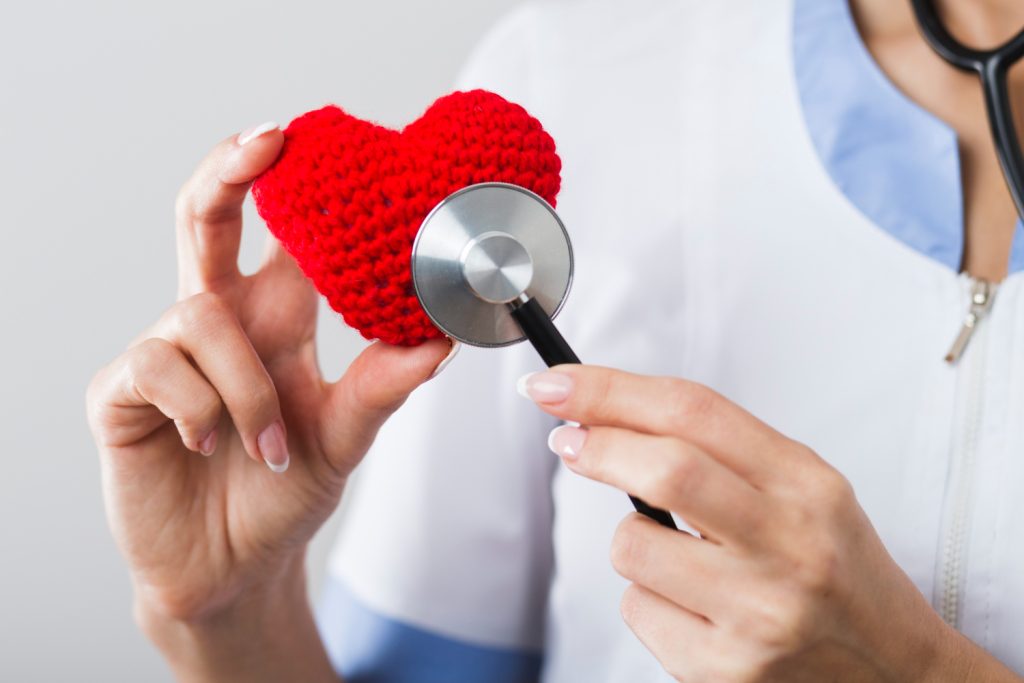
When people think about medicine and treatment, they often picture doctors, nurses, and clinical settings. There’s also a lot of information to process and comprehend. For patients and families with LEP (limited English proficiency), health-related content like this can present an additional layer of challenges if it’s not translated with the utmost care.
That is why, behind every successfully translated medical interface or document, there’s a team that’s been working quietly in the background to make health services and information more accessible. Linguists, editors, and project managers collaborate closely and diligently so that patients can engage with their care in the language they know best: their own.
For those working behind the scenes, whether it is managing a project or translating sensitive health information, each person plays a vital role in helping patients navigate their care with clarity and dignity.
Helping Families Access Care in Their Own Language
For many families, apps and digital platforms are the main way they access care, from scheduling appointments to checking lab results. But making sure these tools are available in a patient’s native language takes thoughtful coordination by localization experts who understand the stakes.
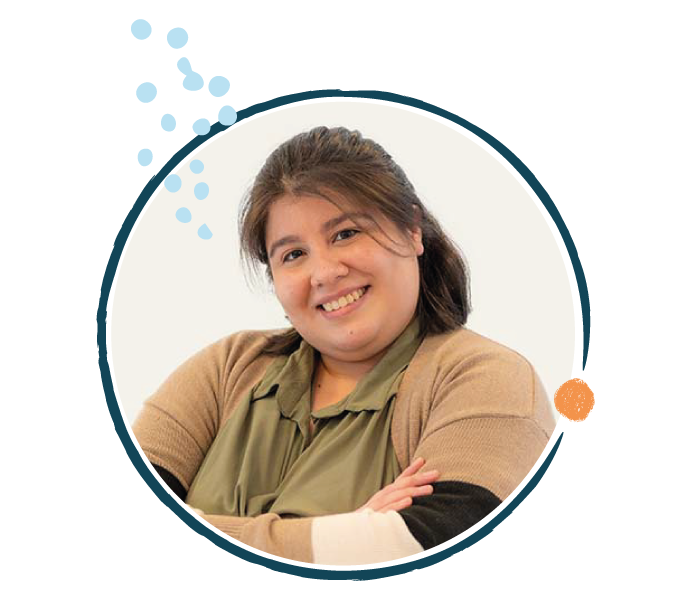
Ximena Trejo, a project manager who has led multiple healthcare localization efforts, is energized by that understanding. “There’s nothing more comfortable than reading medical reports in your own language,” she says. “I believe patients have the right to clear and effective communication about their own healthcare, and that’s what drives me in my work to help families who don’t speak English to access medical platforms completely in their own language.”
Ximena and her team’s efforts help remove language barriers that can quietly stand between patients fully understanding their care. To every project, she brings sharp attention to detail and deep empathy as she ensures the translated content reaches people in a way that feels clear and trustworthy.
Finding Meaning in the Work
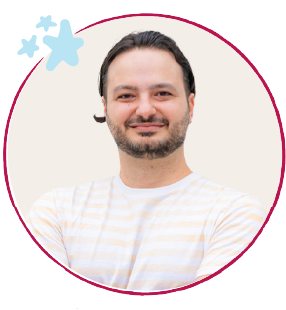
For our in-house linguist Jorge Zeghen, translation is meaningful work that resonates on a personal level. For him, working on medical content means having a direct role in improving how patients experience their care.
“It’s rewarding to know my work can make life easier for someone fighting illness or simply seeking to stay healthy,” he says. “We all have a role to play in reducing inequality. Personally, I’m grateful I can do that through my profession, which ultimately exists to fulfill one of humanity’s most essential needs: communication.”
That mindset shapes every word he delivers and serves as a daily reminder that translation not only supports care but is an essential part of it.
Collaboration Makes It Possible
Every piece of successfully translated content in a healthcare setting is the result of thoughtful collaboration. Translators, project managers, editors, and reviewers work together behind the scenes to ensure every message is clear, accurate, consistent, and patient-centered.
Their interactions may not be visible to most of us, but they make all the difference. When teams are aligned and believe in the impact of their work, the final result is content that feels thoughtful, human, and respectful. In other words, just exactly what every patient or caregiver deserves.
Conclusion
The people behind healthcare localization are not front-and-center, but their impact is felt deeply, every day. Their work helps remove barriers, build trust, and ensure that every message is clear for patients and them. When linguists, editors, and project managers bring empathy to their craft, they help create a more inclusive healthcare experience. Whether it’s a mother reading her child’s medical instructions, or an older adult checking test results, their ability to do so in their native language is hugely empowering.