
How Written Translation Protects Bilingual Children in Healthcare Settings - Portada
06/01/2026

How Written Translation Protects Bilingual Children in Healthcare Settings

In clinics and hospitals across the United States, a quiet but harmful habit often plays out among family members whose language abilities differ. In particular, when parents don’t speak English fluently, the pressure to bridge the language gap in a medical setting frequently falls on the only bilingual person in the room: their child.

At first glance, the child’s language abilities might appear convenient. After all, who better to help in such a personal situation than a family member who understands both the language and the people involved? A bilingual child might even step in eagerly in these situations, as they may be accustomed to navigating the language barrier at home or in other routine contexts. But in a medical setting, using a skill that seems helpful in the moment can have long-lasting negative consequences for young people.

The Emotional Toll on Children 

Being fluent in two languages doesn’t mean a child is prepared to navigate high-stakes conversations, particularly where medical treatment is concerned. But in healthcare settings, many children are asked, implicitly or directly, to relay intimate, complex, and sometimes frightening information between doctors and their parents. This might include explaining a serious diagnosis, parsing detailed treatment options, or conveying medical jargon that the child has never heard before in either language, which can lead to communication inaccuracies.

The emotional burden of translation can therefore be heavy. Children may feel anxious about saying the wrong thing, suffer from guilt if they misunderstand something, or become overwhelmed by the responsibility placed on them. In some cases, they may have to witness their parents in distress, themselves, and feel powerless to help. To put these children’s feelings into greater context, consider that one study demonstrated that trained medical interpreters—that is to say, adults specifically prepared for the role—often experience emotional fatigue, stress, and ethical strain in clinical settings. Imagine, then, the impact on a child trying to perform these duties without professional training, the maturity that comes with age, or any form of external support.

How Providers Can Improve Language Access 

Because there is such risk involved in relying on children to convey critical medical information, it’s clear that providing families with information in their own language should be a priority. Medical communication should not be performed on the fly; it should be proactive, professional, and grounded in care for the patient.

Once hospitals have established and adopted clear language access policies, it becomes easier for staff to know which documents require translation, in what languages, and how to obtain them. Instead of scrambling on a case-by-case basis, teams are equipped from the start with a system that prioritizes access and equity.

Here’s how providers can move away from risky practices toward more inclusive, sustainable solutions:

  • Educate frontline staff
    It’s easy to assume that everyone understands the potential harms of depending on children to communicate medical information. Unfortunately, however, these risks aren’t always intuitive.. That’s why staff should receive training in the ethics involved with translation so they can understand exactly how to access professional translation support. When that process is simple and streamlined, patients are more likely to receive the right care, at the right time, in the right language.
  • Use pre-translated templates and integrate them into EHR systems
    Many healthcare interactions, like discharge instructions or consent forms, follow standard processes. These documents can be professionally translated in advance and stored as templates, so they’re ready to access when needed. When integrated into the electronic health record (EHR) system, these templates help ensure consistent, accessible communication across departments without delays.
  • Build trust with LEP families
    From the first point of contact, let families know that translated materials and language support are available to them. When they trust they’ll receive information in their own language, there’s no need for their child to step in. This not only protects the child from unnecessary emotional stress, but it also shows respect for the family, acknowledges the dignity of their primary language, and helps build a foundation of trust in their healthcare experience.

Prioritizing Access at Every Step 

To move forward in medical translation means making language access a built-in part of care, not an afterthought. When translated materials are ready, institutional policies are clear, and medical teams are trained to respond confidently, everyone benefits. By investing in professional translation, medical facilities can ensure families receive the clarity they need, and the system becomes more equitable, efficient, and compassionate for all.

Why Software Localization Matters in Healthcare - portada
09/12/2025

Why Software Localization Matters in Healthcare

As medical services become increasingly digitized, patients and providers are coming to rely on software to book appointments, access medical records, and even receive care through mobile health apps. But when these tools aren’t adapted to the languages and cultural needs of their users, they can create confusion for the patient and provider community, and even present risks. 

In the healthcare industry, the act of localization means tailoring technology so it functions safely, legally, and intuitively for every audience. When done well, localization builds patient trust, reduces errors, and helps ensure that care is accessible to everyone, regardless of what language they speak. 

What Is Software Localization in Healthcare? 

Software localization is the process of adapting digital tools for a specific language, culture, or legal context. Localization teams ensure that apps, platforms, and systems are not only translated, but that the translations are accurate, compliant, and user-friendly. 

This process can involve adjusting the following to align with cultural norms: 

  • On-screen text and system messages 
  • Date, time, and measurement formats 
  • User instructions and error messages 

Healthcare Software That Benefits from Localization 

Healthcare software takes many forms, and each serves a unique purpose in a patient’s journey toward improved wellness. From diagnosis to follow-up care, these tools must work clearly and safely in every language. Here are some of the most common examples in which such software localization plays a critical role: 

  • Electronic Health Records (EHR) and Electronic Medical Record (EMR) platforms 
    Accurate localization ensures that medical staff can enter and access critical data without confusion or error. 
  • Telehealth and virtual care tools 
    Clear communication is essential to successful remote medical consultations. Localized interfaces help patients and providers understand one another, regardless of language. 
  • Medical device software 
    Devices with screens or apps must display information that’s not only technically accurate, but also culturally and linguistically accessible. 
  • Clinical trial and eConsent platforms 
    Informed consent depends on clarity, and that clarity must extend across multiple fronts. Translations have to meet legal standards while still being easy for participants to understand. 
  • Patient portals and mobile health apps 
    Many patients manage appointments, medications, and health records through apps. When these tools are localized, they help reduce misunderstandings and empower users. 

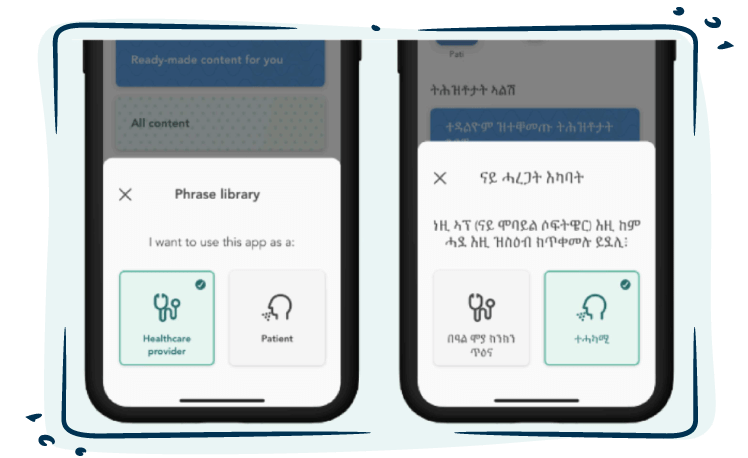
The image below, for instance, shows a mobile app offering a phrase library, with options tailored to either healthcare providers or patients. The interface is fully localized, allowing users to interact in their own language and select the role that best fits their needs. This simple yet critical feature helps create a trustworthy experience, especially for users with limited English proficiency

Two smartphone screens displaying a healthcare app interface. The left screen shows options in English for “Healthcare provider” and “Patient,” while the right screen shows the same options localized into another language, illustrating software localization in healthcare.
Image from Caretotranslate

The Risk of Foregoing Localization

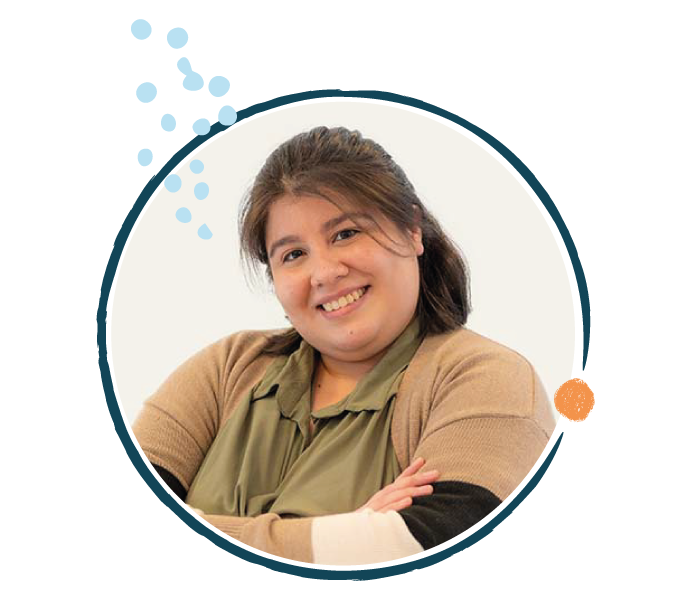
Photo of Ximena Trejo, a Project Manager at Terra.

In some industries, poor localization may be overlooked, but when medical software isn’t properly localized, users may misread instructions, input data incorrectly, or miss critical information. These issues can delay treatment, result in medical record errors, or compromise patient safety.  

Strong localization helps prevent these risks by ensuring that health information is not only linguistically accurate but also aligned with patients’ cultural expectations. As Ximena Trejo, project manager at Terra, explains,“Patients have the right to receive clear and effective communication. It’s reassuring for families to know that even if they don’t speak English, they can access software that’s translated into their own language.” When technology puts patients at the center, it becomes a more reliable tool for delivering equal care. 

Conclusion 

When software reflects the language, culture, and expectations of its users, it helps people receive better care, reduces risks, and strengthens the connection between providers and patients. A thoughtful localization process supports those outcomes by helping healthcare teams deliver clear, consistent, and trusted experiences across every language and touchpoint. 

How Translation Improves Patient Care in Multilingual Communities - Portada
02/12/2025

How Translation Improves Patient Care in Multilingual Communities

Multilingual communities have always been part of the healthcare landscape in the U.S., but an increase in global migration, cultural diversity, and intergenerational households means that medical providers are interacting with growing numbers of patients who speak languages other than English. 

According to the U.S. Census Bureau, about 21.7% of people speak a language besides English at home. Spanish leads the list, followed by Chinese and Tagalog. At the same time, data from UnitedHealth Group shows that 36% to 59% of the U.S. population resides in counties with the lowest health literacy levels. Therefore, in places where multilingualism is common, translation services are foundational to equitable healthcare, and there is still much work to be done to ensure these communities have the medical language access they both require and deserve. 

The High Stakes of Language Barriers 

Health literacy already presents a challenge for many patients in the U.S., with nearly 25% of adults reading at or below a 5th-grade level, while most medical documents require 10th-grade comprehension or higher. That gap grows even wider for patients in the U.S. who hail from multilingual communities, where language and cultural differences can compound existing barriers to understanding. 

When critical information is not translated or adapted for these patients, they are left to interpret complex instructions alone. The ramifications of this negligence can be catastrophic. In one widely reported case, a Vietnamese family in the U.S. lost their 9-year-old daughter after she experienced an adverse reaction to a medication she’d been prescribed. Her family had not been issued adequate instructions about at-home care or what to watch for in the event of a bad reaction, and a lack of proper medical interpretation meant the child’s caregivers could not effectively communicate what was happening. The girl’s subsequent death is a tragic example of the essential importance of language access to patient safety. 

Why Professional Translation Makes All the Difference 

Professional translation services can bridge such communication gaps by ensuring that healthcare information is accessible, accurate, and culturally relevant. For instance, a well-translated discharge summary ensures a patient understands what medications to take, when to schedule follow-ups, and how to monitor for complications.  

Specialized medical translators reduce the risk of ambiguity and error by clarifying terminology for patients and caregivers, and their cultural competence also allows them to localize content, meaning that patients understand medical content in a way that is adaptive to their culture’s health beliefs and norms. The difference between a quick translation and a culturally tailored one can determine whether a patient feels seen, or sidelined. 

When Patients Understand, Everyone Benefits 

When language barriers are removed in a medical situation, the benefits go both ways. Providers, too, gain more clarity on their patient’s situation, they gain more trust from patients and their families, they are able to be more efficient in their treatment, and they’re likelier to achieve better outcomes. Patients who fully understand their care are better equipped to follow treatment plans correctly, which reduces the chance of otherwise-avoidable complications, repeat visits, or emergency interventions. 

For healthcare teams, a better understanding also leads to smoother coordination with families, and lower liability risk. Clear communication also supports stronger patient relationships, which is key to today’s value-based care models in which satisfaction and outcomes matter more than ever. 

Finally, from a healthcare provider perspective, professional translation ensures compliance with legal and accreditation standards, which helps organizations meet both ethical and regulatory benchmarks. 

Conclusion 

Language should never be a barrier to safe, quality healthcare. Professional translation, therefore, reduces health risks, builds trust between provider and patient, and ensures that every patient, regardless of the language they speak, can access the information they need to make informed decisions about their health. 

When patients understand their care, outcomes improve. And when healthcare providers invest in language access, the entire system becomes safer, more inclusive, and more effective. 

Culturalization in Pediatric Care Adapting Healthcare Communication for Diverse Needs - Portada
18/11/2025

Culturalization in Pediatric Care: Adapting Healthcare Communication for Diverse Needs

Pediatric patients are often considered an especially vulnerable population because of their developing systems, limited autonomy, and reliance on adults for care. When these patients, or their caregivers, face cultural barriers stemming from their language, religion, cultural norms or trust in medical systems, this vulnerability is heightened. To care for these doubly vulnerable children, who account for a significant portion of US pediatric patients, providers need to not only develop cultural competency but also adapt their healthcare materials to align with the language needs and backgrounds of diverse families.  

Attention to both language and culture when designing healthcare resources plays a role in reducing patient and family anxiety and increasing trust in the provider; it can also improve children’s pediatric care experiences and outcomes. 

Culturalization in Pediatric Healthcare 

Culturalization is a deeper and more comprehensive approach to translation used with medical content to ensure it is not only linguistically accurate but also aligned with the values, beliefs, and expectations of the target audience. Adapting tone, terminology, and cultural references is essential to making information more relatable and engaging.  

A brochure on childhood immunizations might, for example, be translated into Spanish using the formal mode of address and accessible terminology; be adapted to include photos of Hispanic children and families; and include a section addressing vaccine hesitancy and providing questions families can use to start a conversation with their provider.  

The degree to which healthcare materials take patient identities into account influences the way children and parents interact with them, so great attention should be given to tailoring them, especially when they provide key information like treatment options, patient instructions, and health education on a specific topic. 

How Sensitive Translation Improves Patient Engagement 

Sensitive translation is at the root of culturalization and is essential in fostering patient engagement. Tailoring language and content to local values while maintaining accuracy is of the utmost importance because failure to do so can alienate patients or lead to misunderstandings. Below are some examples of healthcare materials that need to be culturally adapted for diverse audiences to increase understanding and compliance: 

  • eConsent forms: Adapt legal tone, reading level, and decision-making language. Consider how family roles and perceptions of medical authority vary across cultures (e.g., collectivist vs. individualist decision-making). 
  • Appointment reminders: Adjust phrasing for formality/informality, preferred time formats (12h vs. 24h), date formats, and cultural holidays or taboos around certain days/times. 

The Role of Culturalization in Reducing Anxiety and Building Trust 

Recognizing that children’s experiences when they receive medical care can significantly impact their overall well-being, healthcare providers have sought to create more positive and empowering encounters through the CARE model, which stands for Choices, Agenda, Resilience and Emotional support. Culturalization contributes to emotionally safe pediatric care by making this model accessible to all patients. Below is a description of each element of the CARE model and how culturalization supports it. 

  • CHOICE: Giving patients a sense of control and agency, even in small ways, can significantly reduce their feelings of powerlessness. Providers might, for example, let the child choose which arm they want a shot in or which comfort measures they want to use. Another way they can support choice is by providing culturally adapted consent forms, instructional materials and educational resources to help families make informed decisions in their preferred language. 
  • AGENDA: Clearly laying out the care plan, including what to expect and what is expected of the patient and family, can alleviate anxiety and promote understanding. Care plans translated using culturally resonant language can help families understand and follow treatment steps confidently. 
  • RESILIENCE: Focusing on a child’s strengths and reframing negative experiences can help build resilience and foster a more positive outlook. Adapting the tone and content of encouraging messages to a specific cultural context can encourage emotional strength in children facing medical stress. 

In short, working in tandem with the CARE model, culturalization fosters trust and reduces anxiety by aligning communication with cultural expectations. 

Conclusion 

Cultural competency in pediatric care is essential to serving children well. While many things contribute to a culturally competent experience, language access and thoughtful translation are integral to ensuring equity and engagement. By integrating language and cultural adaptation into their practice, health care providers can enhance patient experiences, improve outcomes, and build trust with diverse communities.

How eConsent Helps Global Trials Engage Patients and Boost Compliance - Portada
04/11/2025

How eConsent Helps Global Trials Engage Patients and Boost Compliance

As clinical trials embrace digital transformation, informed consent, once a paper-based formality, is evolving into something much more dynamic and participant-centered. Electronic consent, or eConsent, is quickly becoming a cornerstone of modern research protocol, and for good reason. eConsent offers a more engaging, efficient, and inclusive way to manage one of the most crucial parts of a study: a participant’s understanding of what they’re signing up for. 

From Paper to Digital: Why eConsent Matters 

For decades, informed consent was handled through printed documents that participants had to read, interpret, and, often, sign onsite at a medical facility. This approach, of course, can be limiting, particularly in global studies that span multiple time zones, languages, and literacy levels. 

eConsent replaces static documents with interactive, digital experiences. Through user-friendly platforms, participants can explore study information at their own pace and engage with visual aids, videos, and other multimedia tools to better understand the study’s procedures, risks, and expectations. This shift doesn’t just streamline logistics; it makes the consent process more meaningful and indelible. 

Moreover, eConsent platforms allow researchers to track completion in real time, send automated reminders, and quickly identify gaps, all of which help reduce delays that could affect the trial timeline. 

Compliance and Confidentiality in a Digital Landscape 

While the benefits of eConsent are clear, its implementation also introduces important considerations, especially when it comes to protecting personal data and complying with regulatory standards. 

Robust access controls are critical. Electronic consent systems must ensure that only authorized users, whether they are researchers, ethics boards, or participants, can view or modify information. Identity verification is also essential to prevent unauthorized access, and encryption should be used to safeguard data both during transmission and when stored. 

Just as important is traceability. A well-designed eConsent system maintains a detailed, time-stamped log of user actions, which supports transparency and audit-readiness. Adherence to global regulations such as HIPAA, GDPR, and region-specific privacy laws isn’t optional, and it’s central to building trust with participants and maintaining the integrity of the study. 

Designing with Patients in Mind 

Technology should never be a barrier to participation. That’s why user experience (UX) and accessibility must be prioritized when deploying eConsent solutions, especially in trials involving diverse, global populations. A thoughtful design ensures that participants feel empowered, not overwhelmed. 

Key aspects to consider include: 

  • Accessibility Features: Screen reader compatibility, adjustable font sizes, and keyboard navigation options help enhance access for users with visual or motor impairments. 
  • Intuitive Navigation: Clear instructions, progress indicators, and a step-by-step format reduce confusion and support patient confidence throughout the process. 
  • Cognitive Simplicity: Information should be presented in plain language, avoiding medical or legal jargon that could alienate or confuse participants. 

By designing with inclusion in mind, eConsent platforms not only meet compliance requirements, they create better experiences that support long-term participant engagement. 

Why Localization is Non-Negotiable 

In global clinical research, a one-size-fits-all approach to participant consent doesn’t work. Regulatory expectations, cultural norms, and communication styles vary dramatically across countries and communities. That’s why localization takes center stage in the adaptation of eConsent systems, so that they truly fit the environments in which they’re deployed. 

This adaptive stage is where the right language partner becomes critical for research groups. A skilled localization team will help ensure eConsent materials meet regulatory expectations in each target region, as they respect local cultural nuances and remain consistent across languages and system updates. Without this oversight, even the most sophisticated platform risks losing its resonance with patients, and even its regulatory compliance. 

A successful and effective partnership with a research group requires linguistic expertise and technological fluency on the part of the localization team. From navigating complex file formats to integrating translated content into interactive tools, the right localization expert will enable the eConsent process to be globally scalable, without sacrificing quality or clarity. 

Conclusion 

eConsent is more than a digital solution; it’s a strategic upgrade to the way clinical trials engage with participants. By improving participant comprehension, streamlining compliance, and opening the door to more inclusive research, eConsent helps to ensure that studies are not only faster and more efficient, but also more equitable. 

When combined with thoughtful design and strategic localization, eConsent empowers researchers to connect with patients across cultures, languages, and borders as it delivers better experiences and better science.

Inclusive Language in Queer Healthcare  Why It Matters More Than Ever - Portada
08/10/2025

Inclusive Language in Queer Healthcare: Why It Matters More Than Ever

Imagine you’re in a doctor’s office. You’re in pain, feeling vulnerable, and trying to explain something personal about your body. Then, the healthcare professional caring for you uses words that convey a lack of understanding. Maybe they make assumptions about you, ask questions that seem intrusive and irrelevant, or speak in a dismissive way that makes you feel invisible. In intimate settings like this one, language isn’t just a vehicle for gathering facts, it’s central to forging connection and trust.  

The language healthcare workers use shapes how safe patients feel and how comfortable they are disclosing important health-related information. But for many LGBTQ+ individuals, providers’ persistent use of outdated and non-inclusive language makes healthcare settings unwelcoming and worsens health outcomes. And while there are many factors that affect the quality of care patients receive, including legal restrictions and differences in health beliefs, the kind of environment a provider’s language creates is a huge determinant.  

Photo of Adriel Maroni.

Our People & Culture Specialist, Adriel Maroni, attests to the impact this conscientious use of language can have: “As someone who’s both part of the LGBTQ+ community and works in language services, I’ve seen firsthand how much of a difference the right words can make. Because it’s about showing you care about creating inclusive, respectful, and caring environments for the community.” 

Medical professionals already have a strong understanding of the important role language access plays in properly caring for the over 67 million people in the U.S. who speak a language other than English at home; extending that understanding addressing the needs of queer patients, who make up 7.6% of the U.S. population, is the next step in promoting health equity. Providers can remove subtle language barriers by using simple, neutral, and inclusive language. If you’re wondering what that looks like in practice, read on! 

From Theory to Practice 

Healthcare teams, and the language professionals who support them, can employ inclusive language strategies to better meet the needs of LGBTQ+ patients. But these strategies are most effective when grounded in cultural competency: the ability to recognize, respect, and adapt to others’ lived experiences. A culturally competent team approaches interactions with humility and a genuine willingness to learn, acknowledging the impact of past discrimination, avoiding assumptions, and listening closely when patients share their identity and needs. When teams start with cultural competency, inclusive language strategies build on and reinforce the consideration they are already showing.  

Using Gender-Neutral Language 

One strategy health professionals can employ to create space for queer patients is to speak in gender-neutral terms. In English, some gendered terminology is used when referring to people and animals, and many languages, such as Spanish and French, have a grammatical gender system in which all nouns are classified as either masculine or feminine. To avoid making assumptions about gender, providers can opt for gender-neutral words such as “partner” instead of “husband/wife/boyfriend/girlfriend” and “parent” instead of “mother/father.”  

Providers can also skip unnecessary gendered words, as in “The patient should continue taking [his or her] medications as prescribed” or use plurals to keep language neutral, as in “People with asthma should carry their inhalers with them at all times.” They can also rephrase thoughts using “the patient” instead of “he/she,” as in “The patient is in the waiting room” instead of “He is here for his appointment.”  

Together, these techniques can lower the anxiety many LGBTQ+ patients feel when seeking care and encourage them to share their concerns more openly. 

Respecting Names and Pronouns

Another way healthcare providers can show care for their queer patients is to respect their chosen names and pronouns, especially in the patient registration and admission process. Ensuring that all paperwork offers patients the opportunity to identify themselves as they see fit by, for example, including a write-in gender field, not just “male” or “female”, demonstrates a commitment to inclusivity. If a provider misuses a pronoun, they can make a brief, sincere apology and move on. This helps build trust and shows a willingness to improve. And, when names or gender markers don’t match official documents, providers can respectfully ask “Could the insurance be listed under a different name?” instead of asking for the patient’s “real” name, which can feel invalidating. 

Providing Education 

Inclusive language isn’t mastered overnight; using it effectively and consistently takes ongoing education and openness to growth. But improving health equity starts with improving education around language. Healthcare professionals, translators, and interpreters should all receive regular training to understand best practices that will allow them to provide inclusive, culturally responsive care.  

Providers may at first feel inadequately prepared or lack confidence in their ability to use inclusive language. The good news is, patients don’t expect perfection; attentiveness and genuine effort go a long way. Adriel told us: “The most inclusive providers I’ve worked with aren’t the ones who know everything. They’re the ones who are willing to listen and learn.”  

Caregivers can begin by using some of the strategies we have mentioned and giving themselves grace. And translators can do their part by paying close attention to the author’s intent. If the source text uses gender-neutral language, it’s likely a deliberate effort to be inclusive, so the final translation should preserve that tone by using equivalent gender-neutral language in the target text whenever possible. 

Why It’s Worth the Effort 

Inclusive language is about showing patients they belong. For LGBTQ+ individuals, thoughtful communication can be the difference between feeling dismissed and feeling safe. When healthcare teams and language professionals take the time to ask the right questions and listen with respect, we move closer to a system where every patient, regardless of language, identity, or background, receives informed, compassionate care. 

Clinical Trials & Translation Putting Patients First - Portada
23/09/2025

Clinical Trials & Translation: Putting Patients First

Imagine being invited to join a clinical trial that could improve your health. When you arrive for your first appointment, you receive several documents including consent forms, dosing instructions, and details about potential trial risks. 

Now imagine that those documents are written in a language you don’t fully understand. You’re expected to make informed decisions about your care, but the material you’ve been given feels confusing and possibly incomplete. Can you comfortably submit to treatment in such conditions? 

For many patients, this scenario is all too real. When trial materials aren’t translated clearly and thoughtfully, it becomes harder for people to make confident choices about their care. The result? Barriers to participation, increased safety risks, and breakdowns in trust. 

Clear Communication Is About More Than Compliance 

Translation in clinical trials is often seen as a bureaucratic regulatory requirement. But its value extends far beyond compliance. Clear, accurate translation helps protect patients from misinformation and supports ethical research. When done well, it ensures transparency: people truly understand what’s being asked of them in terms of care and consent, and that clarity promotes patient trust throughout the process. 

When translation falls short, the risks are significant and include: 

  • Patient harm due to unclear instructions. A 2023 study of polypharmacy patients revealed that more than 50% of them misunderstood at least one dosage instruction. Many were unsure how often to take their treatment, which put them at risk for dosing errors that could affect their recovery or safety.  
  • Discouraged participation due to lack of clarity. Many older adults choose not to participate in trials because they don’t fully understand what the process involves. Poor understanding can lead to lower enrollment rates and reduced access to potentially life-changing treatments. 
  • Incomplete understanding that undermines informed consent. Research shows that key concepts like placebo use or randomization are often misunderstood by patients, which makes it harder for participants to make informed decisions. 

For patients, clear communication can mean the difference between being safe or being at risk. In fact, poor communication has been linked to nearly one-third of all patient safety incidents in the healthcare worldwide, which reinforces the fact that thoughtful, accurate translation is fundamental to safe and respectful care. 

What Makes Clinical Translation So Complex 

Providing patient-friendly translation is no easy task. It requires a deep understanding of medical terminology, regulatory expectations, and the ability to adapt content for different cultures and literacy levels. Some of the most common challenges include: 

  • Medical Jargon. Technical terms must be translated clearly without sacrificing accuracy or confusing the reader. Informational precision must be balanced with a text that is easily understood, so that every patient can comprehend what they’re reading.  
  • Time Sensitivity. Clinical trials often operate on tight deadlines. Translation work, therefore, must be done quickly, but without cutting corners that could compromise patient safety or understanding. 

Translating with Care 

Clinical trials are built on relationships among patients, researchers, and care teams. When communication is clear, patients feel more confident, more informed, and in control of their own care. 

Therefore, an investment in high-quality, culturally sensitive translation does much more good than simply meeting compliance standards. It also demonstrates to patients that their voice matters, and that their comprehension of their own treatment is essential to the care they receive. 

When Bilingual Isn’t Enough: The Hidden Risks of Improvised Translation at Work
29/07/2025

The Hidden Risks of Improvised Translation at Work

In fast-paced work environments, language gaps are frequently bridged on the spot by a bilingual coworker or community member. These helpers act out of kindness and, more often than not, a sense of urgency. A colleague needs help understanding a form, an instruction, or a safety warning, and the message needs to be clarified—fast! 

Improvised translation in the workplace is a practical solution that many teams rely on, especially when time is tight and professional support isn’t immediately available. And in many cases, it’s an ad hoc fix that seems to work. But even the most fluent bilingual employee isn’t a substitute for a trained translator, and relying on them to fill that role, especially on a regular basis, can come with risks that aren’t always obvious at first. 

When Good Intentions Create Hidden Strain 

While bilingual employees can be incredibly valuable in bridging communication gaps, it is important to recognize that tasking them with translation duties may have unintended consequences. Consider, for example, that these team members have usually been hired to handle responsibilities other than translation. Asking them to step away from these responsibilities in order to provide language support can divert their focus from their primary role and ultimately disrupt their workflow. Over time, this additional pressure, especially if it goes unrecognized, can contribute to employee stress or even burnout. 

There are also important quality and compliance concerns to consider. Informal translation arrangements may raise confidentiality concerns or even result in compliance risks if information isn’t handled properly. Additionally, fluency doesn’t always equate to translation accuracy, particularly when it comes to technical or sensitive content. Without formal training, it’s easy even for native speakers to miss industry-specific terminology or subtle nuances, a gap that can lead to miscommunication over potentially high-stakes content.   

Impact Across Different Industries 

While the challenges of miscommunication can arise in any multilingual workplace, they’re especially serious in sectors where language diversity intersects with fast-paced or high-stakes operations. In construction and manufacturing, for instance, clear communication is critical to safety. When instructions, safety protocols, or training materials are translated informally or on-the-fly, even a small misstep in wording can lead to misinterpretation, workplace accidents, or costly delays. In healthcare, where consent forms and discharge instructions are sometimes translated by staff on the spot, misunderstandings can directly affect a patient’s ability to receive or follow proper care

In education, it’s not unusual for teachers or administrators to step in and help with communication needs, especially when working with parents or students who are still building English proficiency. But without the presence of consistent, accurate translation support, the risk is higher for information gaps and uneven experiences for families. The same goes for government and public services, where accuracy, clarity, and trust are key to relationship-building and general comprehension. Relying on internal staff to translate sensitive information, whether it’s a benefits application or a legal document, can jeopardize not only compliance, but the public’s confidence in the system. Consistent requests for improvised translation help is a sign of a deeper need for professional support that protects everyone involved. 

A Safer, More Sustainable Solution 

There’s no question that bilingual employees play a crucial role in today’s diverse workforce. Their ability to connect with colleagues and clients across languages can enhance collaboration and foster inclusivity. But when informal translation becomes a regular expectation of these employees, it can stress them personally and professionally, strain company resources, compromise content clarity, and put compliance at risk. 

Professional translation services offer a more reliable, long-term solution to bridging language gaps. It’s one that supports your team, protects critical information, and ensures that all content is handled with the accuracy, confidentiality, and cultural nuance it requires. 

Expanding Access to Mental Health Care Through Translation
01/07/2025

Expanding Access to Mental Health Care Through Translation

Good mental health care depends on trust, understanding, and open communication between providers and clients. But for patients who don’t speak the dominant language of the region where they live, tapping into this kind of support can feel impossible. When therapy options, treatment plans, or even basic patient rights are only available in one language, entire communities are left to cope without full access to the care they need

Language barriers can arise at every stage of a patient’s mental health journey—from intake forms with unfamiliar terms, to therapy worksheets they can’t fully understand. Without properly translated materials, patients may feel lost, discouraged, or unable to continue treatment. One of the most effective ways to remove these barriers is through the translation of key mental health resources to ensure that patients can truly understand and engage with their care. 

Translating Mental Health Resources for Better Patient Outcomes 

From initial screening information to ongoing treatment materials, written communication is essential to mental health care. Some of the most impactful documents that benefit from professional translation include: 

  • Patient intake forms and medical history questionnaires. Properly translated documents allow patients to share their symptoms and history with clarity. 
TRANSLATING MENTAL HEALTH RESOURCES FOR BETTER PATIENT OUTCOMES
  • Therapy worksheets and self-help guides. When clearly adapted, this content provides patients with the tools they need to fully engage with their treatment. 
  • Mental health awareness brochures and digital content. When provided in patients’ preferred languages, this material can educate entire communities on common conditions, coping strategies, and available support. 
  • Legal and administrative documents. It’s important for both clients and providers that patient rights, confidentiality agreements, and consent forms are fully understood by all parties. 

When these materials are made available in a patient’s native language, they enhance comprehension, encourage treatment adherence, and foster a sense of trust between patients and providers. 

The Role of Cultural Sensitivity in Mental Health Translation 

The accurate conveyance of mental health concepts from one language to another requires translators to not only have a fundamental understanding of terms in both languages, but also of any cultural nuances attached to those terms. Words related to depression, anxiety, or trauma, for instance, don’t always have direct equivalents in other languages, and some may carry stigma or culturally specific interpretations. In many Asian cultures, for example, discussing mental health openly is discouraged. So while a direct translation of “therapy” may not resonate, an alternate phrase that aligns with culturally accepted forms of support might. 

Culturalization, therefore, plays a key role in mental health translations. Expert linguists navigate these nuances to ensure clarity while respecting cultural differences. By prioritizing cultural awareness in translation, healthcare providers can ensure that multilingual mental health materials are both accessible and meaningful. 

Ensuring Confidentiality & Compliance in Mental Health Translation 

Mental health records and therapy documents often contain sensitive personal information, which means their privacy protection must be a top priority. Any written translations, must comply with strict regulations—especially HIPAA (Health Insurance Portability and Accountability Act) in the U.S., which governs the confidentiality of patient health information. 

ENSURING-CONFIDENTIALITY-_-COMPLIANCE-IN-MENTAL-HEALTH-TRANSLATION

Professional translation providers follow secure handling procedures to protect patient data. Such protocols ensure that: 

  • documents are translated by linguists trained in medical and mental health terminology, 
  • translations remain confidential and compliant with HIPAA and other regulations, and 
  • secure systems are used for document transfer and storage to prevent unauthorized access. 

Human Expertise for Peace of Mind 

Given the enormous amount of mental health-related content that can benefit from translation, it might at first seem simplest to tackle the job using automated translation tools, or enlisting the help of bilingual staff. However, relying solely on either approach can lead to misinterpretations, incomplete translations, privacy risks, and general compliance issues. Working with professional translators, on the other hand, ensures both accuracy and security at every step—and peace of mind for both patients and providers along the way.  

Conclusion 

In a world where mental health awareness is growing, it’s increasingly incumbent upon providers to make their care and resources available to all patients—regardless of the language they speak. With the help of professional translation services, mental health providers are truly reaching those who need their care, breaking down cultural barriers, and creating a more inclusive and equitable system in which every patient has the support and information they need to take charge of their well-being. 

Improving Patient Communication Through Translation
15/04/2025

Improving Patient Communication Through Translation

Good communication is fundamental to good healthcare. Most crucially, it serves as a bridge between the presentation of symptoms and accurate diagnosis, and between the establishment of treatment plan(s) and improvement/recovery.  

So what happens when language actually becomes a barrier to quality care? 

Imagine sitting in a doctor’s office, waiting for answers, only to be handed a medical report in a language you don’t understand. Or fretting at home the day before a procedure, because the critical pre-treatment guidelines you were given are not written in your native language. For millions of patients worldwide, such scenarios are a daily reality. Without access to comprehensible medical information, patients may struggle to describe their symptoms, follow treatment plans, or make truly informed decisions about their own care. 

Breaking Down Language Barriers in Healthcare 

For healthcare professionals, language barriers can be equally frustrating and worrisome. They can lead to missed appointments, treatment errors, and unnecessary complications. A patient who doesn’t understand their pre-surgery instructions may arrive unprepared. A prescription label that’s not written in a patient’s preferred language could result in a dangerous dosage mistake. A consent form riddled with unfamiliar terminology may leave patients unsure about the risks of a procedure. 

These challenges can’t be adequately addressed in a series of quick fixes. For truly effective mitigation, they demand a structured approach to language access. By integrating professional translation services into key patient touchpoints, healthcare institutions can improve efficiency, reduce liability, and, most importantly, provide safer, more-equitable care. 

Where Translation Makes a Difference 

Strategic translation efforts can streamline workflows, improve patient engagement, and enhance overall healthcare outcomes. Here are some of the most critical areas where language support benefits both patients and healthcare providers: 

1. Pre-Treatment Information 

Before a procedure, patients need to follow specific instructions that often include fasting, avoiding certain medications, or preparing for anesthesia. When these guidelines are translated into a patient’s preferred language, misunderstandings on their end are minimized, which reduces the likelihood of last-minute cancellations or medical complications. 

2. Consent Forms 

Informed consent isn’t just a legal requirement, it’s a cornerstone of ethical medical practice. When consent forms are made available in multiple languages, patients can fully understand their treatment options and associated risks. This step not only protects patient rights, but also reduces legal risks for healthcare institutions. 

3. Appointment Reminders 

Missed appointments disrupt treatment schedules and waste valuable resources. By providing reminders in a patient’s native language—via text, email, or phone call—healthcare professionals can improve attendance rates and ensure that patients receive timely care. 

4. Patient Education Materials 

Empowering patients with knowledge leads to better health outcomes. Whether via brochures, digital content, or instructional videos, multilingual patient education materials help healthcare providers promote preventive care, reduce hospital readmissions, and foster trust with diverse patient populations. 

5. Prescription and Medication Reminders 

Medication adherence is critical to treatment success. When prescriptions, dosage instructions, and potential side effects are clearly translated into a patient’s preferred language, the risk of adherence errors decreases. Taking this step enhances patient safety, and supports pharmacists and healthcare teams in ensuring proper drug administration. 

6. Post-Treatment Instructions 

Following a medical procedure, patients are often given detailed recovery guidelines. Providing these instructions in their preferred language helps to prevent avoidable complications. Comprehensible instructions ensure that patients understand how to manage symptoms, take medications correctly, and recognize warning signs that require immediate attention.  

7. Emergency Contact Information 

When emergencies arise, fast and accurate communication is essential. Translated emergency contact details ensure that patients can reach the right healthcare professionals without delay. They can be critical in reducing response times and improving emergency care outcomes. 

8. Health Portal Access 

A multilingual health portal allows patients to view their medical records, lab results, and appointment schedules in their native language. This not only improves patient engagement but also reduces administrative burdens on staff members who might otherwise need to field repeated questions. 

9. Patient Feedback and Satisfaction Surveys 

Collecting patient feedback is key to improving healthcare services. By offering multilingual surveys, hospitals and clinics can gain valuable insights into patient experiences, identify gaps in care, and refine their communication strategies to better serve diverse populations. 

The Future of Healthcare is Multilingual 

As the global healthcare landscape continues to evolve in terms of both treatments and technology, the need for professional medical translation services is greater than ever. While AI-powered translation tools are helpful in assisting translators with meeting that demand, human expertise remains essential for ensuring accuracy, cultural sensitivity, and legal compliance in all patient interactions and related communications. 

By prioritizing language access, healthcare institutions can break down communication barriers, improve patient outcomes, and build stronger relationships with the communities they serve. In the end, delivering high-quality care isn’t just about medical expertise—it’s about ensuring that every patient, regardless of the language they speak, receives the understanding and support they deserve.