There is someone connected to every translation project who is rarely in meetings or available to answer questions. In many cases, the linguists working on the content will never know their name. But it is that unseen person or group that comprises the audience for translation work, and they are the entire reason the work matters.
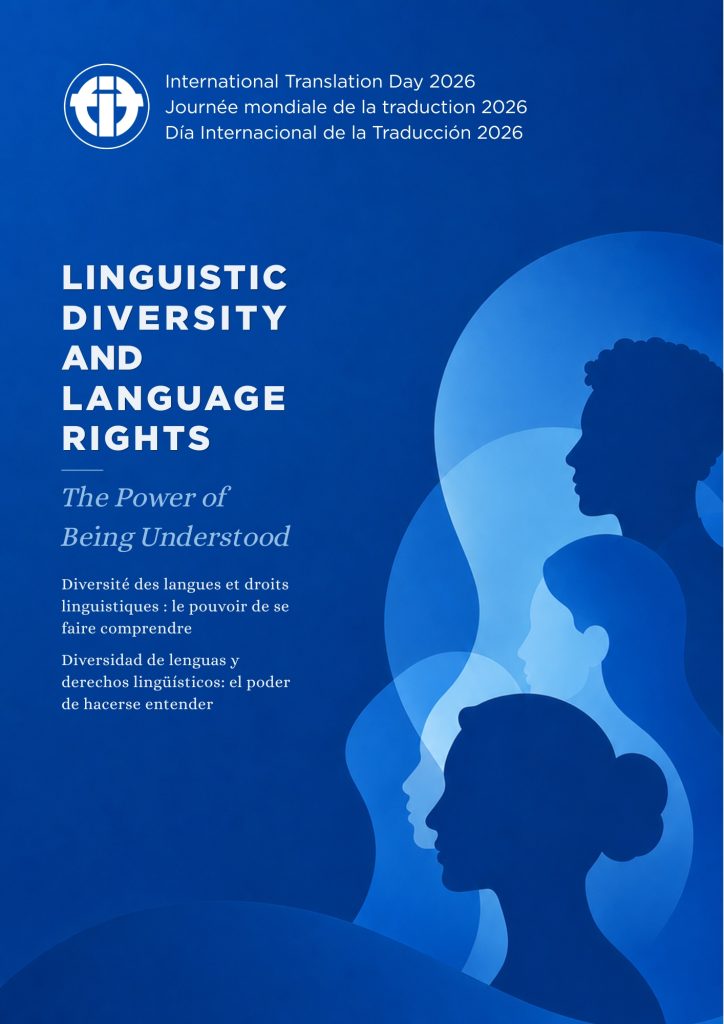
This year, the International Federation of Translators (FIT) has chosen “Linguistic Diversity and Language Rights” as the theme for International Translation Day, with “the power of being understood” at its heart. That power isn’t born with the delivery of final content. In reality, it’s in play much earlier on, when linguists are still pausing over the content and asking the questions that will help it reach its audience meaningfully.
The Questions We Have to Ask
Questions arise throughout the translation process because meaning depends on proper context as much as it does correct language. A term may bear a specific meaning within a specific organization, or two materials may use different names for the same service, which leaves translators to determine wording that the audience should recognize.
Details like these carry real consequences once content leaves the workflow. Patients reading translated preparation instructions need to know exactly what is expected before an appointment, while someone reading information from a public agency needs to understand which requirement applies to their situation. Neither should have to resolve an ambiguity that could have been addressed before the content reached them.
Translator queries become significant for that reason. Every query leads to a decision made on behalf of someone who may never know the question was asked. That invisible advocacy is part of what makes careful linguistic work an act of consideration for a reader who is not in the room.
Understanding Takes Collaboration

The power of clear communication does not rest with the linguist alone. Organizations creating and distributing content also bear essential context: why the message exists, for example, or who it is for, and what it needs to accomplish. Without such context, even careful linguistic work can only go so far toward reaching an audience.
This is part of the reason why collaboration matters so much. When organizations treat linguists as part of the communication process, they provide the context needed to make better decisions about content for the communities they serve. The result is not only a translated version of the original message, but communication that has been considered from the perspective of the people who will actually use it.
For organizations, that collaboration is part of honoring language rights in practice. It recognizes that access to information in someone’s language should also mean access to information that is clear enough to understand, and useful enough to act on.
The Power Behind Being Understood
This work is behind-the-scenes by nature, and evidence of its existence is often gone by the time the translation is complete. The audience does not see the linguists’ questions that clarified the message, or the collaboration that made the final version stronger. They simply receive information in their language and, when the process works, can understand what is in front of them.
That is what makes the power of being understood so meaningful. Information is most effective when it has been shaped with enough care to reach someone clearly, in the language they understand best. On International Translation Day, that invisible shaping work deserves recognition because every thoughtful decision brings that power closer to the people it is meant to serve.