
High-quality audio localization can rarely be attributed to a single person working in isolation. What audiences hear far more commonly is the product of a coordinated effort across language, creative, production, and project management teams that use the same systems to keep everything moving. That means that every spoken line, piece of narration, and announcement passes through multiple hands before it reaches its final form, which is exactly why the right team alignment matters as much as the right vocal talent.
Isabel Molina, Terra’s director of audio localization, often describes her role as both strategic and operational. The balance she strikes between those categories often reflects how audio work functions in real projects: she focuses on how each task in a project connects to the next, because an audio pipeline can only function properly when the handoffs are clear. As Isabel knows firsthand, when you trace the path of a single line of dialogue from the initial script to actual implementation, it becomes obvious that collaboration is key to shaping the final sound.
Audio Localization Direction as Orchestration
In complex audio projects, the director’s role often resembles that of an orchestra conductor. The audio localization director coordinates global teams, defines workflows, and aligns quality standards with client expectations, while also keeping an eye on scheduling realities and production constraints. Since many decisions sit upstream of the booth, choices made early on in a project often influence approaches to casting, determining production timelines, and establishing how consistency will be maintained across languages.
The director’s work also involves anticipating challenges before they surface, which means using the lessons from previous projects to inform better prep and clearer reviews for what’s on the table now. Whether the project involves a game universe, healthcare information, employee training, or a public awareness campaign, the audio localization director keeps the moving parts connected so teams can respond to changes while maintaining cohesion.
Translation and Adaptation Teams

Every audio project starts on the page, because translator and review teams begin the process by shaping the initial script that the entire effort is built on. Their work is hardly limited to punctuation and grammar checks because, above all else, scripts also need to be “speakable”: ready for performance once they reach the booth. That often means translators and reviewers will adapt phrasing to align with pacing and intent, and offer recommendations that reduce friction once recording begins.
Such guidance commonly includes pronunciation notes on names and lore terms, as well as context that clarifies who is speaking (and, if applicable, to whom), or what a line is meant to accomplish in a scene. Isabel often points to close alignment among translation teams as one of the most effective ways to prevent issues later in the pipeline, since language adapted with recording in mind gives directors and actors a cleaner starting point. When that foundation is solid, far less session time is spent on untangling meaning, and far more is spent on shaping delivery that matches the story.
Directors, Actors, and Audio Specialists
The most-visible team collaboration usually happens during recording, when creative groups bring the text to life. Directors guide performances so that characters, narrators, or institutional voices feel natural for the target audience, while actors interpret scripts through delivery choices that match local expectations. Since voice work carries personality and tone, decisions about energy, rhythm, and emphasis can shape how players perceive a character, even when the written line remains the same.
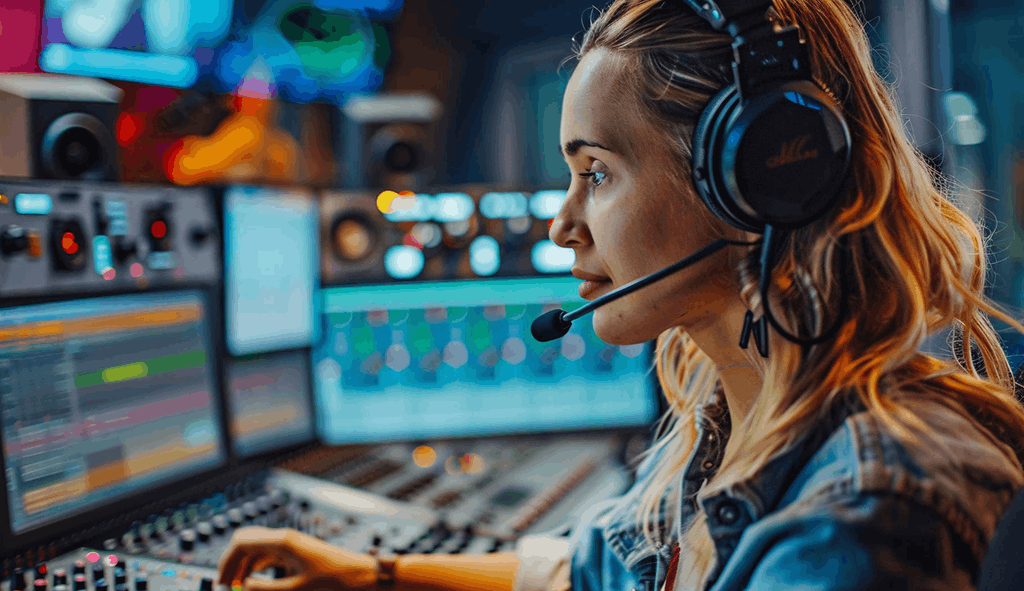
Alongside directors and voice actors, audio specialists capture and shape performances. Expert editing and mixing ensure a vocal performance sits comfortably within the intended soundscape, whether that means matching an existing production style or supporting a clear, neutral delivery. Isabel often notes how challenging it can be to coordinate artistic direction across multiple studios, especially when consistency is expected across languages and regions, which is why preparation and ongoing communication matter as much as creative skill.
Project Managers and Communication Chains
Behind every smooth delivery is a strong project management structure that protects flow across the full production chain. Project managers keep every element and effort aligned, while also ensuring that any questions that arise are answered quickly enough to prevent otherwise-avoidable re-records or late-stage confusion. Since audio involves many stakeholders, the communication chain typically includes client teams, project managers, translators, audio production staff, actors, and QA teams, and the success of their contributions depends on timely updates and clear decision-making.
As Isabel says, “Traceability and disciplined follow-through prevent small issues from escalating into delays or quality risks. When communication stays consistent, teams can adapt to changes without losing momentum.” Communication breakdowns, on the other hand, tend to amplify even minor adjustments, so they become, in effect, larger disruptions.
Tools That Help Teams Stay in Sync

Technology plays a supporting role in collaboration, especially when teams are widely distributed, and projects are run at scale. Collaborative platforms, cloud storage, version control systems, and secure file transfer tools help teams work with visibility and control while keeping assets organized and approvals traceable. These tools matter most when they reduce guesswork, since everyone can see what version is current, what has been approved, and what still needs reviewing.
Isabel describes technology as an enabler that strengthens human work. “When it’s used well,” she says, “it supports efficiency and transparency, which makes it easier for teams to stay aligned across regions and time zones. But ultimately, the value of these tools comes down to whether they help people collaborate with confidence. The idea is that everyone is operating with shared information and shared goals.”
Conclusion
The quality of localized audio is shaped long before listeners press play. Clear communication, aligned processes, and mutual trust among teams matter just as much to the result as the studios, microphones, or software. This collaborative model applies across industries, from gaming and healthcare to training and public information.
As projects continue to scale and diversify, strong results will depend on how well teams work together. In the end, the goal remains the same across every project: turn many moving parts into one immersive, coherent experience for the audience.