











WE DO THINGS DIFFERENTLY.
CUSTOMIZED LANGUAGE SOLUTIONS POWERED BY A TEAM THAT’S ON YOUR SIDE.
It’s a great, big, wonderful world out there . . . diverse, fast-moving, and rich with possibilities for connecting in new ways. Terra can help you seize these opportunities with curated language solutions that are built to scale and designed with a human touch.
We don’t just deliver, we engage in partnerships; anticipating your needs, adapting to changes, and holding ourselves accountable at every step. As an extension of your own team, we cut through the red tape to develop innovative, efficient, fit-for-purpose solutions that align with your goals.
What keeps our magic flowing? A team that stays. With an employee retention rate over 95%, our long-tenured project managers and in-house linguists bring subject matter expertise and deep cultural insight to the table. They’ve grown with us for years, creating a consistent, reliable team that simply makes things happen, seamlessly and securely.
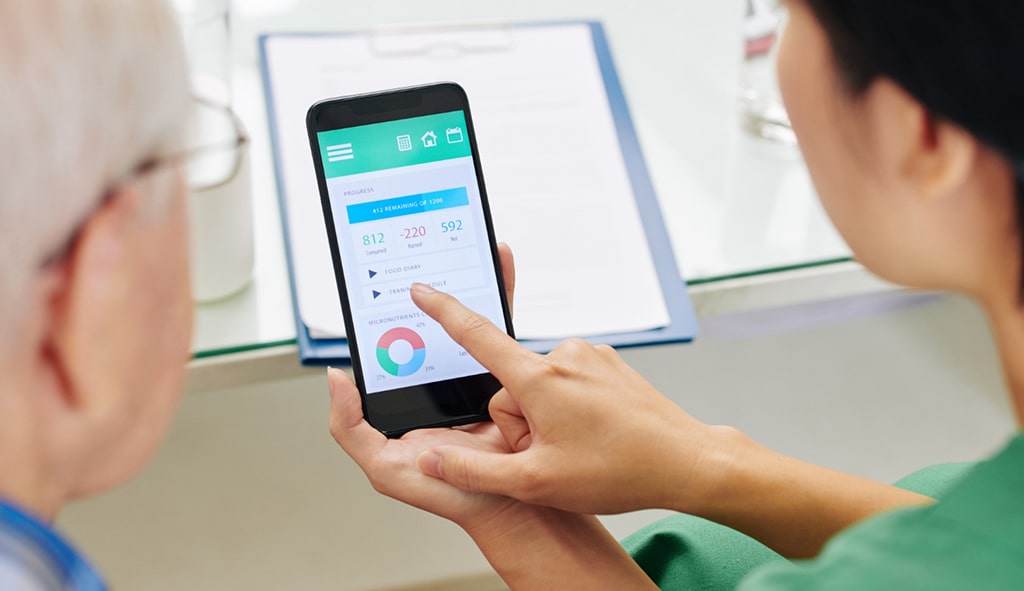
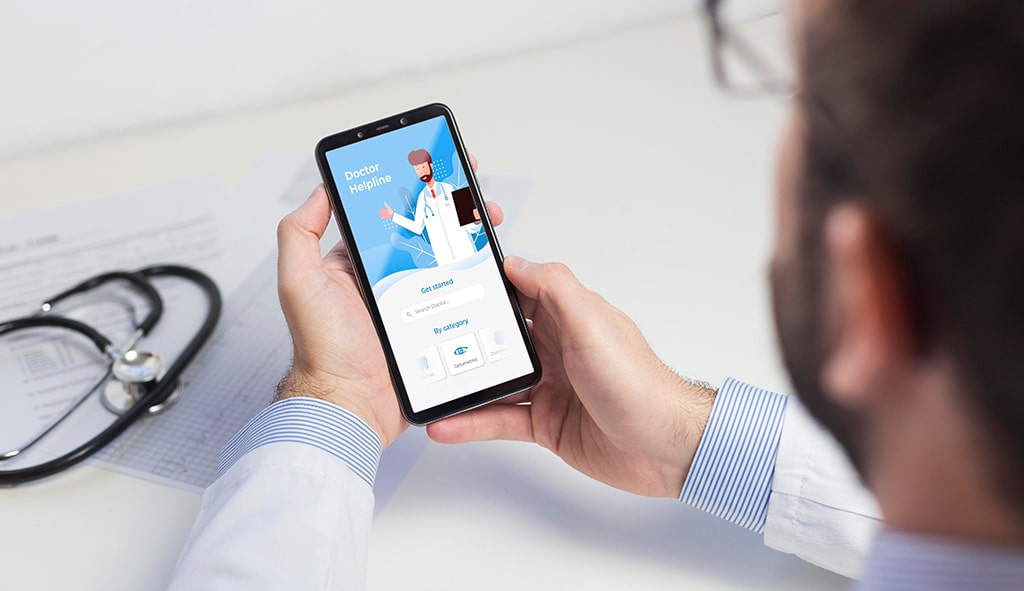
In the healthcare industry, the act of localization means tailoring technology so it functions safely, legally, and intuitively for every audience. When done well, localization builds patient trust, reduces errors, and helps ensure that care is accessible to everyone, regardless of what language they speak.

Multilingual communities have always been part of the healthcare landscape in the U.S., but an increase in global migration, cultural diversity, and intergenerational households means that medical providers are interacting with growing numbers of patients who speak languages other than English.

Today, education often meets entertainment, creating a powerful blend known as edutainment. Whether presented through games, apps, or interactive videos, edutainment makes learning more engaging and memorable for students in an age where attention spans are short, and technology drives how we absorb information.

Pediatric patients are often considered an especially vulnerable population because of their developing systems, limited autonomy, and reliance on adults for care. When these patients, or their caregivers, face cultural barriers stemming from their language, religion, cultural norms or trust in medical systems, this vulnerability is heightened.