
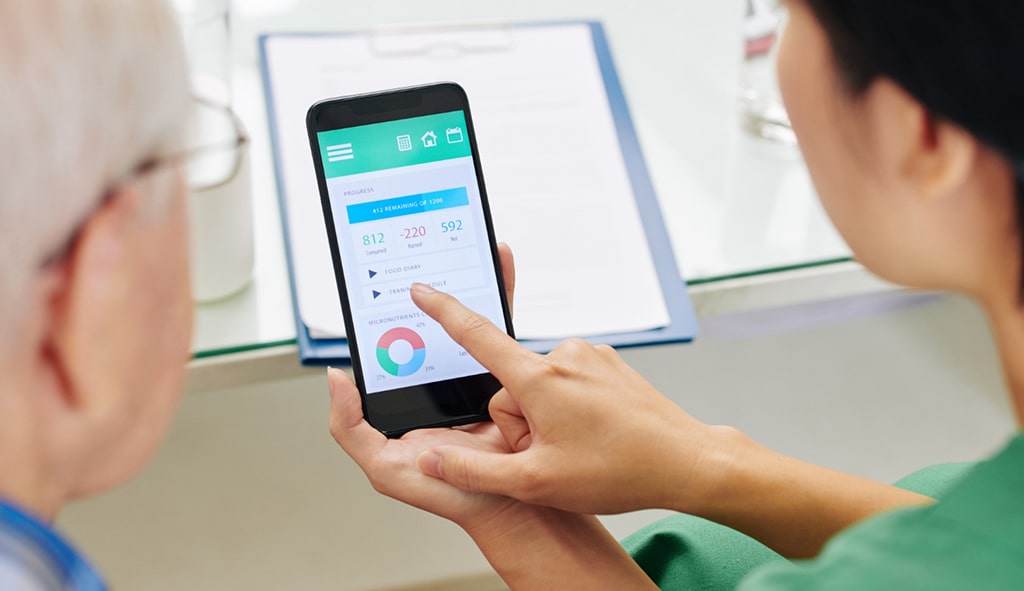
As medical services become increasingly digitized, patients and providers are coming to rely on software to book appointments, access medical records, and even receive care through mobile health apps. But when these tools aren’t adapted to the languages and cultural needs of their users, they can create confusion for the patient and provider community, and even present risks.
In the healthcare industry, the act of localization means tailoring technology so it functions safely, legally, and intuitively for every audience. When done well, localization builds patient trust, reduces errors, and helps ensure that care is accessible to everyone, regardless of what language they speak.
What Is Software Localization in Healthcare?
Software localization is the process of adapting digital tools for a specific language, culture, or legal context. Localization teams ensure that apps, platforms, and systems are not only translated, but that the translations are accurate, compliant, and user-friendly.
This process can involve adjusting the following to align with cultural norms:

- On-screen text and system messages
- Medical terminology and clinical content
- Date, time, and measurement formats
- User instructions and error messages
- Visuals, layouts, and icons
Healthcare Software That Benefits from Localization
Healthcare software takes many forms, and each serves a unique purpose in a patient’s journey toward improved wellness. From diagnosis to follow-up care, these tools must work clearly and safely in every language. Here are some of the most common examples in which such software localization plays a critical role:
- Electronic Health Records (EHR) and Electronic Medical Record (EMR) platforms
Accurate localization ensures that medical staff can enter and access critical data without confusion or error.
- Telehealth and virtual care tools
Clear communication is essential to successful remote medical consultations. Localized interfaces help patients and providers understand one another, regardless of language.
- Medical device software
Devices with screens or apps must display information that’s not only technically accurate, but also culturally and linguistically accessible.
- Clinical trial and eConsent platforms
Informed consent depends on clarity, and that clarity must extend across multiple fronts. Translations have to meet legal standards while still being easy for participants to understand.
- Patient portals and mobile health apps
Many patients manage appointments, medications, and health records through apps. When these tools are localized, they help reduce misunderstandings and empower users.
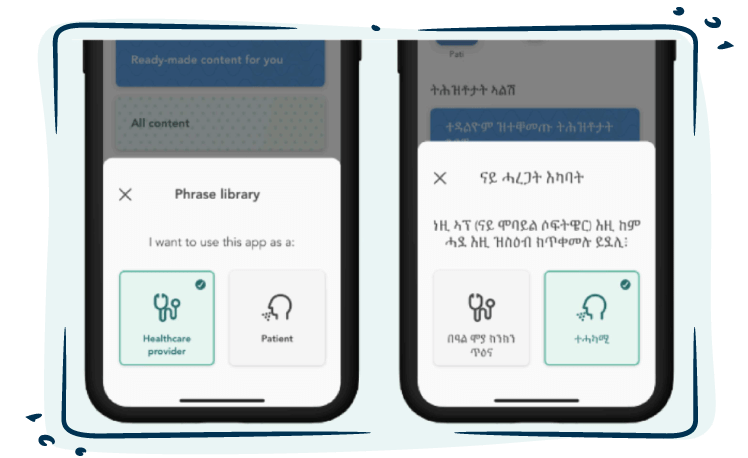
The image below, for instance, shows a mobile app offering a phrase library, with options tailored to either healthcare providers or patients. The interface is fully localized, allowing users to interact in their own language and select the role that best fits their needs. This simple yet critical feature helps create a trustworthy experience, especially for users with limited English proficiency.
The Risk of Foregoing Localization

In some industries, poor localization may be overlooked, but when medical software isn’t properly localized, users may misread instructions, input data incorrectly, or miss critical information. These issues can delay treatment, result in medical record errors, or compromise patient safety.
Strong localization helps prevent these risks by ensuring that health information is not only linguistically accurate but also aligned with patients’ cultural expectations. As Ximena Trejo, project manager at Terra, explains,“Patients have the right to receive clear and effective communication. It’s reassuring for families to know that even if they don’t speak English, they can access software that’s translated into their own language.” When technology puts patients at the center, it becomes a more reliable tool for delivering equal care.
Conclusion
When software reflects the language, culture, and expectations of its users, it helps people receive better care, reduces risks, and strengthens the connection between providers and patients. A thoughtful localization process supports those outcomes by helping healthcare teams deliver clear, consistent, and trusted experiences across every language and touchpoint.