
Edutainment has proven its value by effectively blending learning with play, but rendering these tools successful on a global scale requires developmental creativity on many levels. Producing resources that are genuinely entertaining and instructive for a worldwide audience requires the right technology, proper cultural adaptation, and strong accessibility measures to ensure learners everywhere can connect with the content. That’s why, from virtual reality simulations to multilingual storytelling, the key to quality is building edutainment solutions that are both innovative and inclusive.
The Role of Technology in Edutainment
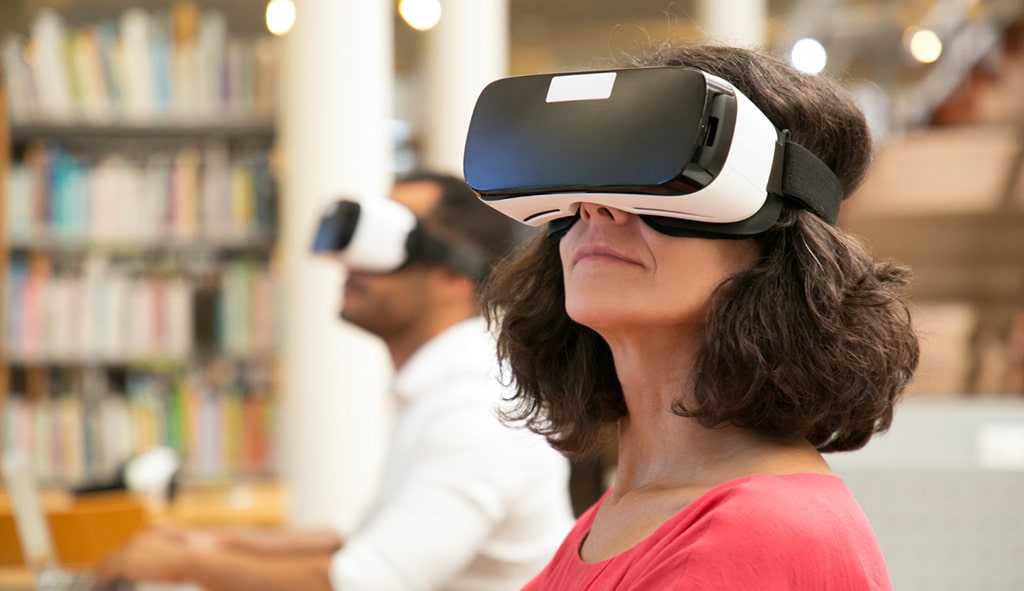
Advancements in digital tools are reshaping how people learn. Technology-driven platforms, for example, can personalize content in a way that adapts the pace or style of instruction to an individual’s needs. Virtual and augmented reality can place learners inside unforgettable immersive environments, whether they’re exploring ancient civilizations or simulating complex medical procedures. Gamification, through rewards, challenges, and progress tracking, leans on motivation to keep learners engaged over time.
Equally important to learners are an edutainment product’s accessibility features. Effective interfaces tend to be highly intuitive, with options that may include captions, adjustable text, or alternative input methods. This is the sort of technology that supports diverse learners by enhancing both engagement and equity in education.
Global Reach and Localization

Technology provides the platform for edutainment, but content localization ensures a product can resonate worldwide. Simply translating text for learners is not enough; truly effective edutainment considers multilingual content, offers regionalized examples, and engages in culturally appropriate storytelling that reflects the values and contexts of different audiences.
For instance, an app designed for science education might feature case studies relevant to a particular region of users, while a language-learning game may adapt humor and idioms to align with local usage. These adjustments make edutainment content feel familiar and trustworthy to users, and encourages them to connect more deeply.
Challenges in Scaling Edutainment Globally
Expanding edutainment across borders can present both technical and cultural hurdles for developers. Balancing educational value with entertainment is already a challenge, but adding global considerations to the mix raises the stakes. Some of the most common challenges include:
- Technical Adaptation: Software must support different scripts, fonts, and formatting conventions, while also being compatible with regional devices and platforms.
- Cultural Resonance: Features like voiceovers, visuals, or humor may work in one region but feel confusing or even inappropriate in another.
- Balance Between Specificity and Universality: Content that ends up being localized too generically risks losing its authenticity with viewers. At the same time, content that’s tied too closely to one culture may alienate global learners.
Striking the right balance in these areas ensures that a product will maintain both its educational integrity and its universal appeal.
The Future of Edutainment

Looking ahead, the possibilities for edutainment continue to grow. Cross-platform experiences will allow learners to move seamlessly between devices, whether at home, school, or on the go. AI-assisted content creation will provide adaptive learning paths that adjust in real time. Fully immersive environments will give learners the chance to practice skills in safe, simulated spaces.
For these innovations to succeed, inclusivity and multilingual support must remain at the center of edutainment developers’ focus. Accessibility features, cultural awareness, and thoughtful localization will determine whether edutainment can reach learners equitably, regardless of their cultural background or region of the world.
Conclusion
Edutainment thrives when it combines ever-advancing technology with cultural and linguistic adaptation. By investing in accessible design and global localization, creators can build tools that are not only engaging for all users, but also truly inclusive. Such a balance ensures that edutainment fulfills its promise of making learning meaningful and enjoyable for learners everywhere.
As this series continues, we will take a closer look at how services such as localization, voiceover, and culturalization bring edutainment to life on a global scale.